Understanding Today’s Cyber Risks: A Guide to Smarter Online Security
Almost everything we do—shopping, banking, working, and even socializing—happens online. But with that convenience comes a growing number of cyber threats. Hackers and cybercriminals are constantly looking for ways to steal personal information, lock people out of their devices, or trick them into handing over passwords or money.
Whether you’re a student, a remote worker, a retiree, or just someone who uses a smartphone, understanding these threats is the first step to staying safe. You don’t need to be a tech expert—just a bit of awareness can go a long way.
This video explores how everyday online habits—shopping, working, banking—open the door to cyber threats, and why a little awareness can go a long way in staying protected.
Phishing: Don’t Take the Bait
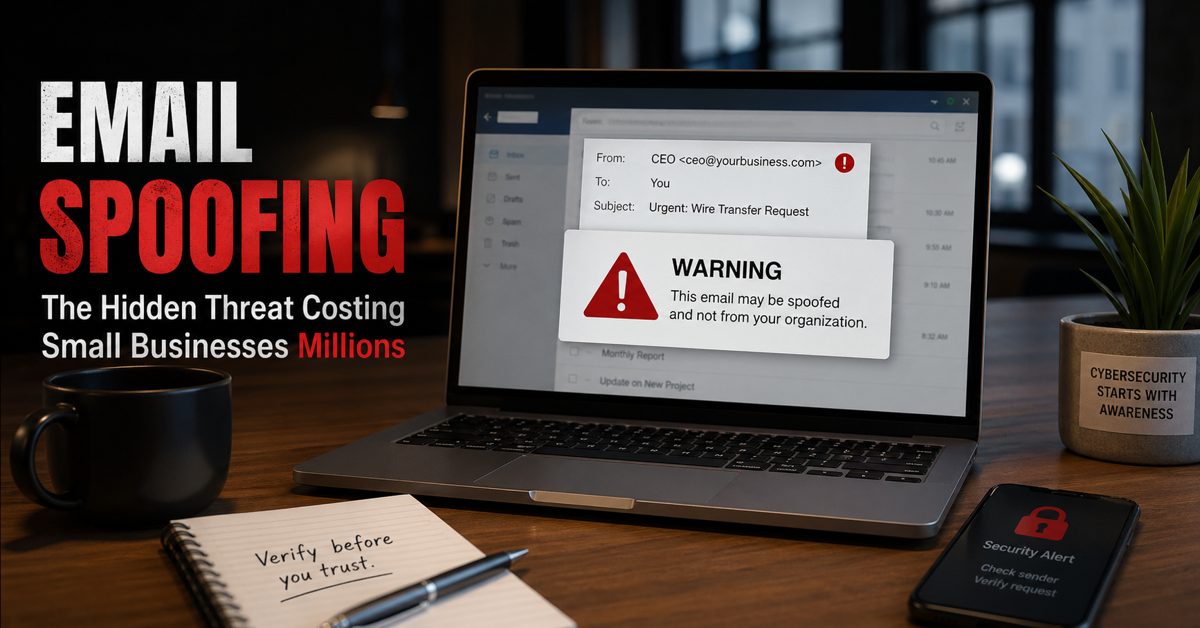
Phishing is one of the most common scams on the internet. It usually involves fake emails, texts, or messages that look like they’re from a company or person you trust—like your bank, a friend, or an online store. The goal? To trick you into clicking a bad link, downloading something harmful, or sharing sensitive information like your login details or credit card number.
How to stay safe:
• Be cautious with emails asking for urgent action, especially about payments or passwords.
• Check the sender’s email address closely—scammers often use addresses that look almost right but are slightly off.
• Don’t click on suspicious links, and never give out personal information unless you’re absolutely sure the request is legit.
• Use multi-factor authentication (like getting a code on your phone) wherever possible to protect your accounts.
Ransomware: Holding Your Data Hostage
Ransomware is a nasty type of malware that locks your files or device and demands payment (usually in cryptocurrency) to unlock it. It can come from clicking a bad link, downloading an infected file, or visiting a dangerous website.
Sometimes people pay the ransom—and still don’t get their files back.
How to stay safe:
• Back up your files regularly, either to an external drive or a secure cloud service.
• Keep your software and antivirus tools updated so you’re protected against the latest threats.
• Avoid opening attachments or links from people you don’t know.
Insider Threats: Mistakes or Misuse from People You Know
Cyber risks don’t always come from strangers. Sometimes people within an organization—or even in your personal life—can accidentally or intentionally cause harm. Maybe someone shares your private information without realizing it’s sensitive, or maybe someone with bad intentions misuses their access.
How to stay safe:
• Only share important personal data with people you trust.
• If you’re part of a shared workspace or home network, be cautious about what others can access.
• Use strong, unique passwords and avoid saving them in shared places like browser autofill.
Advanced Persistent Threats (APTs): Silent, Long-Term Attacks
An Advanced Persistent Threat, or APT, is a cyberattack that doesn’t happen all at once. Instead, hackers slowly sneak into a system and stay hidden for weeks, months, or even years, stealing data or spying without being noticed. These are more common in government or corporate settings, but the techniques can affect individuals too.
How to stay safe:
• Use trusted antivirus software that can detect unusual behavior—not just known threats.
• Regularly scan your devices and change passwords if something feels off.
• Keep your accounts clean—remove apps and access you no longer need.
Zero-Day Vulnerabilities: The Unknown Weak Spots
A zero-day vulnerability is a hidden flaw or weakness in software that even the developer isn’t aware of yet. These vulnerabilities are especially dangerous because hackers can exploit them before a fix—often called a “patch”—is available. Cybercriminals use zero-day exploits to gain unauthorized access, steal data, or install malicious software, often without leaving any obvious signs. Unfortunately, most people don’t realize they’ve been targeted by a zero-day attack until after the damage is done.
While there’s no way to completely eliminate the risk, you can significantly reduce your exposure by keeping your devices and apps updated, as developers regularly release security patches to fix known vulnerabilities. It’s also important to avoid downloading software or apps from untrusted or unfamiliar sources, as these can be common delivery methods for malware. Whenever possible, stick to well-known, actively maintained applications and operating systems with strong security reputations. Practicing these habits consistently can help protect you against the silent danger of zero-day threats.
Bonus Tips for Everyday Cyber Safety
Even if you’re not tech-savvy, there are simple habits that can dramatically reduce your risk:
• Use unique passwords for each account—and consider a password manager to keep track.
• Enable two-factor authentication (2FA) wherever it’s offered.
• Be skeptical of free Wi-Fi. If you’re on public networks, avoid logging into sensitive accounts or use a VPN.
• Watch out for fake pop-ups and ads. Never install updates from a pop-up. Go directly to the website or app store.
• Don’t overshare online. Avoid posting things like your full birthday, home address, or travel plans on social media.
Conclusion
Cybercrime isn’t just a concern for businesses and governments—it affects all of us. From identity theft to losing access to precious photos or being tricked into sending money, the risks are real and growing. But knowledge is power. When you understand how these threats work, you’re in a much better position to avoid them.
You lock your front door, right? Think of cybersecurity the same way. A few smart habits can protect your digital life just like a deadbolt protects your home.
Gallop Technology Group is here to help. We offer expert-led cybersecurity solutions tailored to your needs, whether you’re an individual, family, or growing organization. From advanced threat detection to employee training, data backups, and access control strategies, our team is dedicated to helping you stay secure in a connected world. Let us be your trusted partner in protecting what matters most.
Stay ahead of evolving cyber threats with expert-driven security solutions, proactive monitoring, and tailored protection strategies.
Contact us for your free assessment.