Why Medium Businesses Need AI in Planning
For medium-sized businesses, IT planning is more than a technical necessity—it is a strategic tool that drives efficiency, growth, and resilience. Whether managing customer data, supporting remote workforces, or securing operations, the right IT strategy and planning determine how well a company can adapt and compete.
The challenge is that many medium businesses often face stretched resources, smaller IT teams, and limited budgets. This leaves them vulnerable to costly downtime, inefficient processes, and growing cybersecurity threats. Relying on traditional methods of IT management is no longer enough.
This is where AI in IT planning becomes a true game-changer. By integrating artificial intelligence into IT planning, businesses can anticipate issues before they occur, automate repetitive work, and make smarter decisions based on real-time data. The result is a leaner, more efficient operation with stronger defenses against risk.
At Gallop Technology Group, we’ve seen firsthand how medium businesses benefit from embracing these innovations. With services such as our Free Domain Security Check Up and customized cybersecurity solutions, we guide organizations in strengthening their IT foundations while preparing for sustainable growth.
Below are six positive and powerful ways artificial intelligence planning impacts IT strategy for medium-sized businesses.
Smarter Decision-Making Through Predictive Analytics
For business leaders, making decisions about IT infrastructure, budgets, and resources can feel like walking in the dark. Investing too little leaves systems vulnerable, while overspending drains valuable capital.
Predictive analytics powered by AI shines a light on these decisions. By analyzing both historical and real-time data, AI generates accurate forecasts that allow leaders to make informed choices. Instead of reacting to system breakdowns or cybersecurity incidents, businesses can act proactively.
Practical applications include:
- Capacity Planning: AI forecasts when servers or cloud resources will reach capacity, ensuring upgrades happen before disruptions occur.
- Risk Detection: Predictive tools identify patterns that suggest looming cybersecurity threats, enabling preventive action.
- Budget Optimization: Leaders can allocate IT budgets more effectively, ensuring money goes toward high-impact initiatives.
With AI in planning, business leaders no longer need to rely on instinct or incomplete data—they can make confident, evidence-based decisions that save money and reduce risk.
Automation of Routine IT Tasks
Medium businesses often operate with lean IT teams. Staff are expected to cover everything from troubleshooting employee issues to managing infrastructure. As demands grow, routine but critical tasks—such as software updates or backups—can fall through the cracks.
Automation powered by AI eliminates this concern. Artificial intelligence planning introduces systems that handle repetitive tasks consistently and accurately, such as:
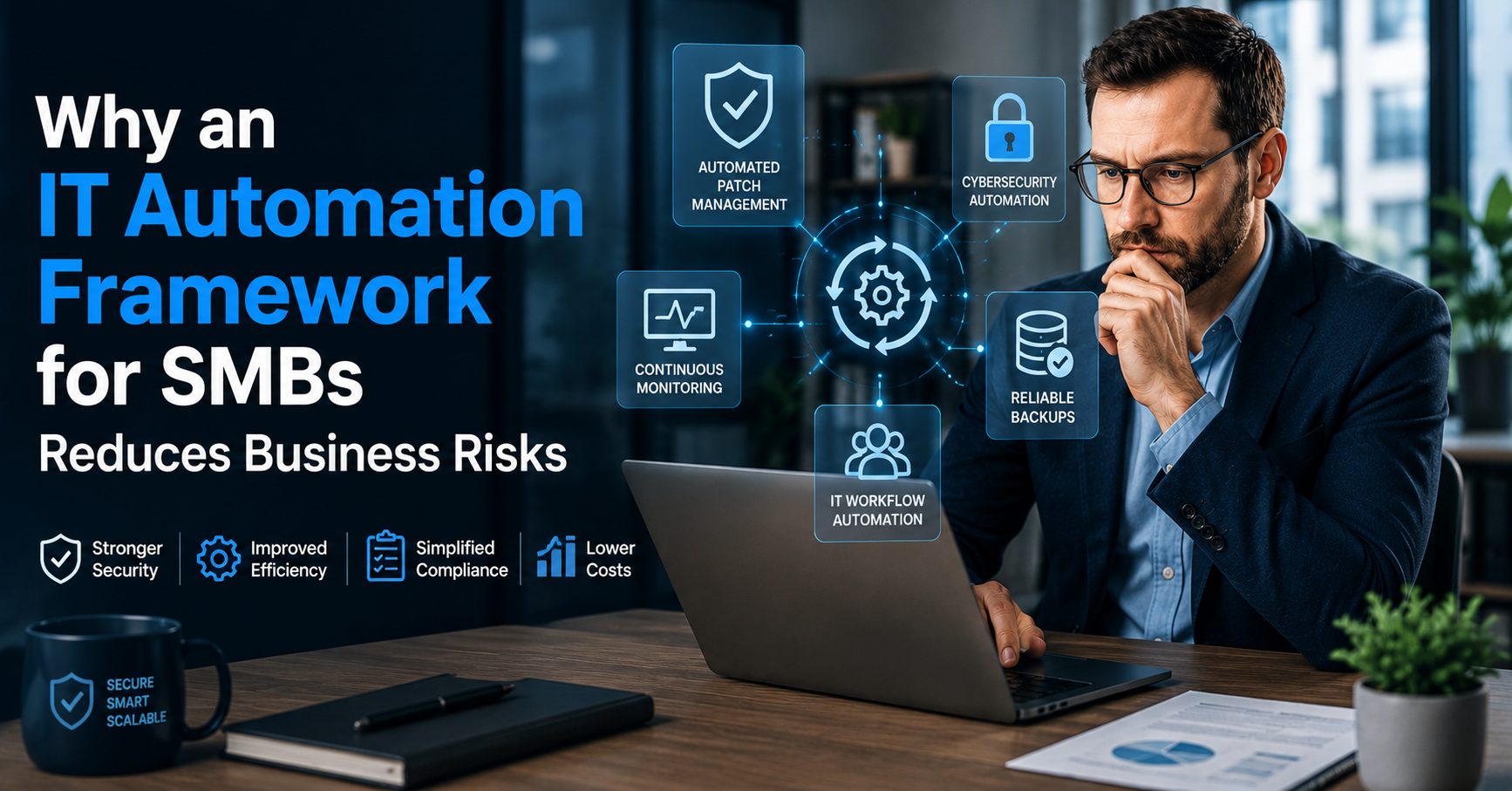
- Patch Management: Updates are applied automatically, keeping systems secure without requiring constant manual oversight.
- 24/7 Monitoring: AI continuously checks for irregularities in performance and addresses small issues before they escalate.
- Data Backups: Automated schedules ensure business data is preserved reliably, reducing recovery time after an incident.
By offloading these responsibilities, IT teams can focus on projects that drive innovation, like cloud migrations, digital transformation, or customer experience improvements. In effect, AI empowers smaller IT teams to perform with the strength of much larger ones.
Enhanced Cybersecurity for Medium Businesses
Cybersecurity is one of the top concerns for medium-sized businesses. Unlike large enterprises, they may not have entire departments dedicated to defense, making them attractive targets for hackers. One breach can lead to devastating costs, damaged reputation, and lost customer trust.
AI transforms how businesses approach cybersecurity by providing active, real-time protection. Key advantages include:
- Threat Detection: Machine learning models learn what “normal” traffic looks like and instantly flag suspicious behavior.
- Incident Response: AI systems automatically respond to threats, reducing the time between detection and mitigation.
- Compliance Support: AI tools help ensure businesses comply with regulations by identifying gaps in data protection.
For example, AI can quickly spot phishing attempts by scanning incoming emails for suspicious characteristics. Similarly, anomaly detection systems can highlight unusual data transfers that might indicate a breach in progress.
At Gallop Technology Group, our Free Domain Security Check Up is a starting point for strengthening defenses. Combined with advanced cybersecurity services, we provide medium businesses with the reassurance that their sensitive data remains secure against both external and internal risks.
Optimized Resource Allocation and Cost Savings
Medium businesses often operate under strict budgets, so wasting resources is not an option. Without accurate insight, companies risk overinvesting in unused IT capacity or underfunding critical systems, both of which harm efficiency.
AI optimizes resource allocation by analyzing usage data and predicting future needs. This allows businesses to:
- Scale Cloud Resources: AI ensures businesses pay only for what they need by automatically adjusting computing power.
- Reduce Downtime Costs: Smarter allocation ensures systems remain functional during high-demand periods.
- Improve Efficiency: Resources like storage and bandwidth are distributed to where they provide the most benefit.
The financial benefits are clear—cost savings from optimized resource use can be reinvested into growth opportunities, while operational efficiency creates a stronger competitive edge. For medium businesses, this makes IT strategy and planning more sustainable and aligned with long-term goals.
Improved Agility and Adaptability
Technology evolves rapidly. Businesses that fail to adapt quickly find themselves falling behind competitors. Medium-sized businesses, in particular, must remain flexible to keep up with shifting markets, regulations, and customer needs.
AI introduces agility into IT planning by allowing businesses to pivot rapidly:
- Pilot Projects: Organizations can start small with AI-driven initiatives, test their impact, and scale gradually.
- Continuous Feedback: AI systems monitor outcomes in real time, allowing for quick adjustments to IT strategy.
- Cloud Flexibility: AI-driven resource scaling ensures businesses can adapt seamlessly to seasonal or unexpected demand.
This agility means that businesses are no longer locked into rigid systems. Instead, they can continuously refine and improve their IT planning, ensuring they remain prepared for future challenges.
Empowering Employees Through AI-Driven Insights
Employees are a business’s greatest resource. When equipped with the right tools, they can identify opportunities, solve problems, and drive innovation. AI in IT planning enhances employee capabilities by providing actionable insights.
Examples include:
- Marketing Teams: AI analyzes customer behavior, enabling more targeted and effective campaigns.
- Operations Staff: Predictive analytics highlight bottlenecks and streamline workflows.
- IT Teams: AI-based dashboards provide a clear picture of system performance, reducing troubleshooting time.
Upskilling employees to work with AI tools ensures they aren’t intimidated by new technology but instead view it as a partner in their daily tasks. This not only improves productivity but also fosters a culture of innovation.
Overcoming Challenges in AI Integration
While the advantages of AI in planning are significant, challenges remain. Some businesses hesitate because of:
- Upfront Investment: AI solutions may require costs for implementation and training.
- Employee Resistance: Staff may worry about AI replacing jobs instead of supporting them.
- Ongoing Maintenance: AI systems require updates and oversight to remain effective.
The key is to begin with small, high-impact projects and expand gradually. By demonstrating early wins, leaders can build confidence among staff and justify further investments. Partnering with a trusted IT provider like Gallop Technology Group helps businesses navigate these challenges with expert guidance and proven solutions.
Strengthen Your IT Planning With Gallop Technology Group
The six positive impacts of AI prove that integrating artificial intelligence into IT planning is not just beneficial—it’s essential for medium-sized businesses. From predictive insights to enhanced cybersecurity and optimized resources, AI creates stronger, smarter, and more adaptable organizations.
At Gallop Technology Group, we specialize in helping medium businesses harness these benefits. Our services include a Free Domain Security Check Up, advanced cybersecurity solutions, and tailored IT strategy and planning support. With our expertise, you can protect your business, improve efficiency, and unlock new opportunities for growth. Contact us today at 480-614-4227 to take the first step toward smarter, safer, and more effective IT planning.
Source:
McKinsey & Company, “How AI is transforming strategy development”, 2025