How Communication Tools in the Workplace Strengthen Productivity and Collaboration
Strong communication is the backbone of a productive office, especially when teams are juggling multiple deadlines, collaborating across departments, or coordinating with remote staff. Office managers often carry the responsibility of ensuring that information flows smoothly—whether it’s updating staff, resolving issues, or keeping projects on track. That’s why investing in the right communication tools in the workplace can dramatically improve efficiency, clarity, and teamwork. When these tools are paired with dependable workflow systems, they help eliminate confusion, speed up decision-making, and reduce the friction that slows down daily operations.
While adopting digital tools can make your workplace more connected and organized, it’s also important to use them securely. That’s where Gallop Technology Group comes in. We help businesses strengthen cybersecurity around the communication platforms and workflow management tools they rely on. Our focus is protecting the technologies your teams use every day, ensuring your operations remain safe, stable, and resilient against digital threats.
Strengthening Workplace Communication with Reliable Digital Tools
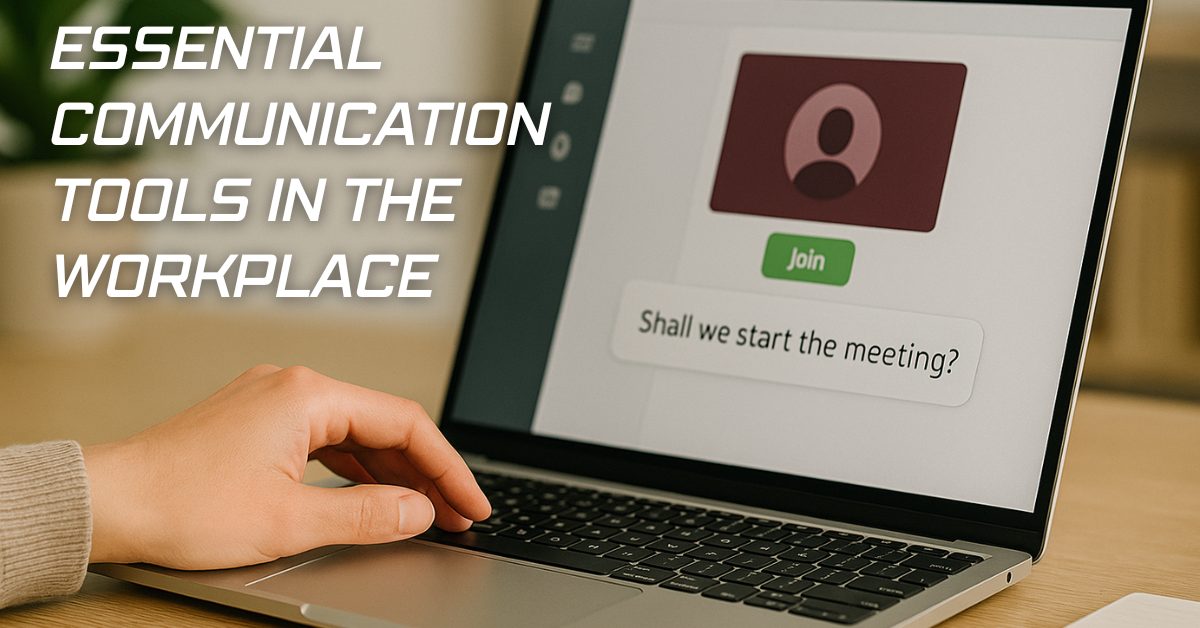
Clear communication makes or breaks a team’s productivity. For office managers, ensuring that staff can share updates, coordinate tasks, and access information in real time is essential. Several communication tools for workplace environments make this easier by centralizing conversations and reducing reliance on long email threads.
Microsoft Teams is widely used for office collaboration because it integrates seamlessly with the Microsoft 365 suite. Beyond simple messaging, it allows teams to share documents, hold meetings, set up communication channels, and manage projects—all in one place. For offices already using Outlook, SharePoint, or OneDrive, Teams becomes an effective hub for daily communication.
Zoom remains a top choice for video conferencing. Its user-friendly interface, screen-sharing features, breakout rooms, and high-quality video make it an ideal tool for team meetings, virtual training, interviews, or remote check-ins. For offices managing hybrid teams, Zoom helps maintain a sense of connection and structure.
Slack offers a more casual, fast-paced communication environment with channels, direct messages, and extensive integrations with tools like Google Drive or Trello. It’s ideal for teams that need quick updates, real-time conversations, and flexible communication without the formality of email.
These work communication tools enable teams to collaborate more efficiently, communicate clearly, and stay aligned on goals. They also reduce email clutter and help office managers maintain visibility into team needs and ongoing conversations.
Enhancing Organization Through Workflow Management Tools
Managing tasks, deadlines, and team responsibilities is a major part of an office manager’s role. Workflow management tools simplify this by making project tracking more transparent and organized.
Tools like Trello, Asana, and Monday.com give teams a visual way to manage tasks and deadlines. Office managers can assign responsibilities, set due dates, track progress, and reduce unnecessary follow-ups. When everyone can see what needs to be done and who is handling each task, projects move more smoothly and delays are minimized.
These workflow management tools also help prevent common issues like missed deadlines, lost updates, or unclear priorities. By centralizing project information, they help office managers maintain orderly processes and provide a clear overview of team workload.
Even though the raw reference focused on communication and collaboration platforms, integrating workflow tools can multiply productivity and help office managers coordinate tasks across departments with fewer interruptions and more predictability.
Improving Customer and Team Coordination with CRM Platforms
A strong customer relationship management (CRM) system can transform the way office managers and administrative teams handle interactions, follow-ups, and data organization.
Zoho CRM offers a budget-friendly, scalable solution for tracking sales, automating workflows, and reviewing analytics. For small- to medium-sized offices, it’s a strong choice for managing customer information without high software costs.
GlassHive, built specifically for IT and MSP companies, blends CRM features with marketing automation. Its dashboards help organizations visualize communication timelines, client engagement, and campaign performance. While more industry-specific, its structure is similar to traditional CRM tools that help administrative teams stay organized and responsive.
With centralized data and quicker access to client information, office managers reduce time spent searching for details, coordinating follow-ups, or managing spreadsheets. This results in smoother operations and more personalized customer service.
Tracking Productivity and Time Usage with Digital Tools
Time tracking is crucial for offices balancing multiple responsibilities or managing project-based work. Without visibility into how time is spent, it’s difficult to pinpoint inefficiencies or understand workload distribution.
Clockify is a user-friendly time tracking tool that allows teams to log hours, categorize tasks, and review project time usage. Office managers gain insights into where time is spent and which tasks require adjustments.
RescueTime, on the other hand, provides automatic tracking of digital activity. It measures time spent on websites, apps, or software, giving teams a detailed picture of productivity habits. Alerts and weekly summaries help staff become more mindful of their time and reduce distractions.
Together, these tools give office managers the data needed to improve productivity, identify bottlenecks, and manage workloads more effectively.
Streamlining Team Access with File Storage and Sharing Tools
Efficient file organization is essential for keeping teams aligned. Office managers often manage shared resources, documents, and operational files. Without centralized storage, locating documents becomes time-consuming and stressful.
Google Drive allows for real-time file sharing, team collaboration, and version control. With Google Docs, Sheets, and Slides integrated into the platform, teams can work together without needing separate attachments.
Dropbox provides advanced file-sharing and backup features suitable for creative teams or offices handling large documents. Its remote device wipe, team folders, and syncing options add protections that help keep company files safe.
These file-sharing tools prevent issues like misplaced documents, outdated versions, or limited access. They also reduce dependency on email attachments and allow teams to retrieve documents anytime without delays.
Saving Time Through Automation with Zapier
Automation helps office managers reduce repetitive tasks, minimize errors, and ensure consistent communication between tools. Zapier acts as a connector between different apps—sending data from one platform to another without manual steps.
For example, a lead captured in a form can instantly flow into a CRM, a message update can automatically notify a Slack channel, or a new document in Drive can trigger a task in Trello. These small automations add up and save hours each week.
When office managers incorporate automation into their workflow, they spend less time on routine tasks and more time on higher-level responsibilities like planning, employee support, and operations management.

Why Security Matters When Using Communication and Workflow Tools
As helpful as these tools are, they also introduce security risks—especially when teams rely heavily on cloud platforms, file-sharing tools, and communication apps. Weak passwords, improper access permissions, and unprotected accounts can lead to data breaches and downtime.
This is where Gallop Technology Group supports office managers. We help businesses safeguard their communication tools and workflow systems through cybersecurity measures that protect your team’s operations. From secure configurations to threat monitoring, we ensure that the digital tools your workplace depends on stay protected from attacks, misuse, or unauthorized access.
Stronger Teams Start with Better Communication Tools
Modern workplaces depend heavily on digital platforms to collaborate efficiently, manage tasks, and maintain productivity. Whether your team relies on messaging apps, CRM systems, workflow management tools, or automation platforms, each plays a role in helping office managers maintain structure and clarity across the organization.
Choosing and using the right communication tools in the workplace helps eliminate confusion, streamline day-to-day operations, and support a productive team environment. With strong communication systems in place, tasks become easier to manage, deadlines become more predictable, and collaboration becomes more natural.
At Gallop Technology Group, we help office managers secure the digital tools their teams rely on by strengthening cybersecurity across communication and workflow systems. If you’re looking to protect your operations, safeguard sensitive information, and ensure your platforms are safe from threats, we’re here to help.
Let’s secure your workplace technology together. Call our team at 480-614-4227.
Sources:
- Microsoft Teams – Features & Collaboration
https://www.microsoft.com/en-us/microsoft-teams/group-chat-software
- Zoom – Video Conferencing & Collaboration Overview
https://zoom.us/features
- Slack – Messaging, Channels & Integrations
https://slack.com/features