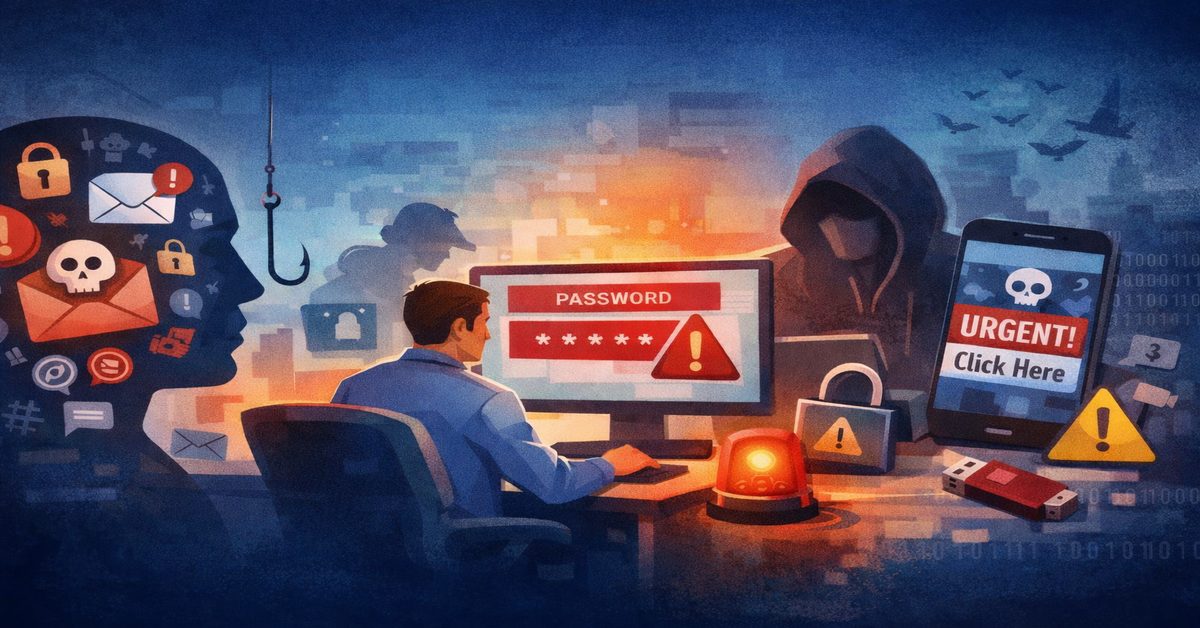
Cybersecurity Tool Limitations—Why Behavior Still Decides Outcomes
Cybersecurity tool limitations become visible the moment a real person, under pressure, clicks, approves, or shares something a tool can’t stop. That’s the behavioral cybersecurity gap, and it explains why incidents still occur even in well‑tooled companies: attackers don’t need to “hack” systems when they can influence decisions. Research shows many breaches link back to human behavior cybersecurity risk—such as clicking a phishing link or approving a fraudulent request—because technology alone can’t stop cyber threats when social engineering targets people, not systems.
If you want practical help aligning people + process + technology, Gallop Technology Group delivers managed cybersecurity, 24/7 monitoring, and much more. Call our team at (480) 614‑4227 and get a clear, prioritized roadmap and a free assessment.
Why Technology Alone Can’t Stop Cyber Threats
Tools are essential—they detect, block, alert, and help recover—but technology alone can’t stop cyber threats when an attacker persuades someone to act quickly or trust the wrong message. That’s one of the real cybersecurity tool limitations: software protects systems, but people make the final call.
Year after year, reports show a high share of incidents beginning with human behavior cybersecurity risk, such as clicking a phishing link, entering credentials on a fake page, sharing a one‑time passcode, or approving a payment without verification. The gap is behavioral, not just technical—so buying more tools without changing behavior rarely fixes root causes.
How Attackers Win: They Target Human Psychology
Criminals often bypass controls by pushing psychological buttons that feel normal in daily work: authority (“I’m the managing partner”), urgency (“the wire deadline is 10 minutes”), and familiarity (a vendor invoice that looks routine). These triggers explain why the behavioral cybersecurity gap persists even in mature environments. They aim at people’s fast decisions during busy moments—not at the firewall.
Leadership’s Job: Make the Secure Choice the Easy Choice
This is more than an IT problem—it’s a leadership responsibility. Culture, communication, and simple processes help teams do the safe thing when it matters. Leaders who normalize “pause and verify,” keep steps short, and praise early reporting build stronger habits and lower risk across the board.
A Simple Plan to Close the Behavioral Gap
- Verify payments and account changes.
Use out‑of‑band checks (call a known number, not the one in the email) to defeat authority and urgency tactics in finance workflows. - Turn long policies into checklists.
People under pressure follow 3–5 step checklists more reliably, which reduces errors where technology alone can’t stop cyber threats. - Train for real‑world tricks.
Run micro‑trainings and phishing drills focused on authority, urgency, and familiarity, so people spot the pattern faster. - Measure and coach behavior.
Track reporting rates, MFA adoption, and password hygiene. Corrective training reduces incidents better than punishment. - Pair tools with human steps.
Tie alerts to a specific action script (e.g., a finance verification checklist when a payment looks “urgent”). This counters cybersecurity tool limitations with a behavior‑first process.
What Your Tools Do Well—and Where the Gap Appears
Tools do well: detect threats, block malware, filter email, log activity, and restore data after an incident.
Tools don’t: override a rushed approval, stop a “trusted voice” request, or prevent a person from sharing a code under stress. That’s the behavioral cybersecurity gap—and why improving decisions is as important as improving software.
Key Takeaway for Leaders
You don’t need “more tools” first—you need to close the behavioral cybersecurity gap. Keep your stack, but align it with people and process so the secure choice is the easy choice. That’s how you reduce human behavior cybersecurity risk and defend the moments when technology alone can’t stop cyber threats.
Security tools are vital, but outcomes come down to decisions. By addressing cybersecurity tool limitations with clear processes, quick verification, and behavior‑first training, you shrink the window attackers rely on. The result is fewer costly mistakes and faster, more confident responses when something feels off.
Ready to turn behavior into a security strength? Gallop Technology Group delivers managed cybersecurity, 24/7 monitoring, Microsoft 365 security, incident response planning, compliance support, network security, and BCDR for service‑based and compliance‑driven organizations. Call our team at (480) 614‑4227, to schedule your free security assessment.
Sources:

Frequently Asked Questions:
1. Why do cybersecurity tools fail even when they’re properly installed?
Cybersecurity tools fail when attackers target people instead of systems. Tools can block malware and suspicious activity, but they can’t stop someone from clicking a link, approving a wire transfer, or sharing a code under pressure. Human behavior is often the real entry point for attackers.
2. What is the “behavioral cybersecurity gap”?
The behavioral cybersecurity gap is the space between what tools can protect and how people act in real situations. Attackers use emotions like urgency, authority, and familiarity to convince someone to bypass security tools. This human behavior gap is where most breaches start.
3. Can more cybersecurity tools solve human‑driven cyber risks?
Not completely. Tools are important, but adding more tools won’t fix human‑driven risk because technology alone can’t stop cyber threats that rely on manipulation. Training, simple processes, and a strong security culture are just as important as software.
4. What human behaviors create the most cybersecurity risk?
Common behaviors include clicking phishing links, trusting urgent messages, sharing login codes, skipping verification steps, and approving payments without checking. These actions happen because people rely on quick decisions during busy or stressful moments.
5. How can companies reduce human behavior cybersecurity risk?
Companies can reduce risk by training employees on social engineering tactics, using short checklists for high‑risk tasks, encouraging verification phone calls, and building a culture where employees feel safe reporting suspicious activity. Pairing tools with clear human steps closes the behavioral gap.