Human Factors in Cybersecurity: The Silent Behaviors That Create Hidden Organizational Risk
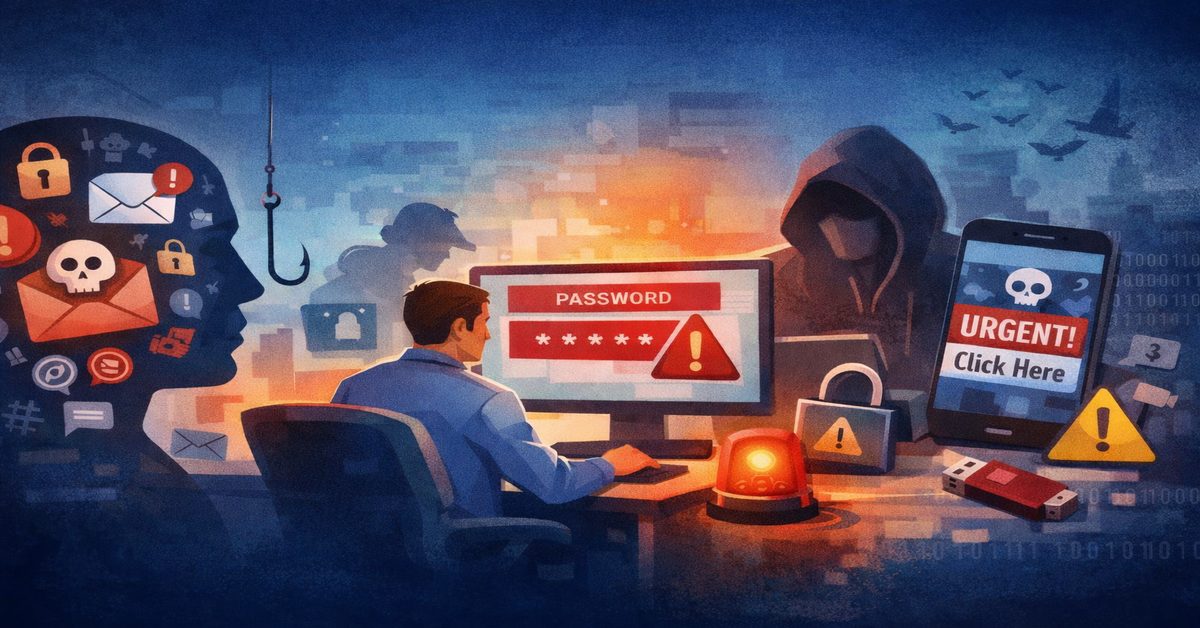
Human factors in cybersecurity often hide in plain sight. Rushing an invoice approval, reusing a password because it’s convenient, or approving an MFA prompt that looks routine—none of this feels dangerous in the moment. But when these actions repeat across teams, they quietly turn into organizational cybersecurity risk factors. And when something goes wrong, it can trigger client notifications, regulatory questions, insurance reviews, downtime, and reputational damage. Today, regulators and insurers expect leaders—not just IT—to understand the risk, enforce policies, and provide oversight. In short, cybersecurity is now part of operational governance.
Reduce human factors in cybersecurity without slowing work. Gallop Technology Group can help you with human‑risk assessments, phishing simulations, password manager + SSO rollout, phishing‑resistant MFA, and security‑culture coaching. Call our team at 480-614-4227 to get your free IT assessment today.
Human Factors in Cybersecurity: Why Leaders Must Care
Security isn’t only about tools and firewalls. Research shows human behavior heavily shapes cyber incidents, so treating people as a measurable part of risk—not just “the weakest link”—is now a leadership priority.
- When security steps feel confusing or interruptive, people adopt shortcuts like password reuse or ignoring prompts. Usability and culture drive behavior, so leadership decisions matter.
- Executive guides now stress governance, measurable outcomes, and preparedness for AI‑enabled threats—not just checkbox awareness.
Clear Examples of Human Factors Leading to Cyber Breaches
Each of these looks harmless in the moment—but at scale, they create real exposure.
Password Reuse and Weak Credentials
People reuse credentials to save time. A breach on another site can unlock your systems via credential stuffing. Simpler, more usable controls reduce these behaviors.
Rushed Approvals and Business Email Compromise
Attackers exploit urgency to push fake invoices or access requests. A hurried “yes” can move money or grant unnecessary access.
Routine MFA Approvals and Push Fatigue
Employees approve prompts that “look routine.” Adversaries abuse MFA fatigue and push notifications to get that one accidental tap.
Phishing, Vishing, And Voice Impersonation
Human trust is the target. Vishing (voice phishing) surged as criminals use convincing calls and psychological tactics to win compliance.
Oversharing Data with AI Tools
Many workers paste sensitive information into AI tools without understanding how it’s stored or used, creating new behavior risks as AI adoption grows
Top Organizational Cybersecurity Risk Factors Tied to Human Behavior
The biggest risks are often structural, not individual:
Culture, Usability, And Friction in Daily Workflows
Excessive prompts, complex resets, or clunky access steps push people toward insecure workarounds. Design security that fits how people actually work.
Access, Identity, And Approval Processes
Gaps in identity lifecycle, over‑broad access, and rushed approvals quietly elevate exposure across departments. Leadership oversight turns these from weaknesses into strengths.

A Simple Playbook to Reduce Behavior‑Driven Risk
You don’t need jargon or ten frameworks. Start small, measure, and improve.
Make Safe Behavior The Easy Behavior (SSO, Password Manager, Phishing‑Resistant MFA)
- Deploy SSO and a password manager to cut password reuse.
- Adopt phishing‑resistant MFA (e.g., security keys) and minimize prompt fatigue.
- Remove unnecessary steps from secure workflows; friction leads to shortcuts.
Measure Behaviors, Not Just Course Completions
Track and trend monthly: password‑manager adoption, phishing‑report rate vs. click‑through, MFA prompt denials/unusual approvals, and completion of targeted micro‑lessons after risky events. This creates a practical “human‑risk score” that guides action.
Train Employees For The Decisions They Make During Real Work
Short, scenario‑based refreshers: “Approve / Don’t approve?” MFA prompts with context; “Pay / Verify first?” invoice requests under time pressure; “Paste / Don’t paste?” data into AI tools. Keep it realistic and brief.
Lead visibly and report human‑risk metrics
Executives should model the basics (use the password manager, challenge odd requests) and ask for monthly behavior metrics in ops reviews. Progress to goals where appropriate.
Ready to Reduce Behavior‑Driven Risk? Here’s How Gallop Can Help
The everyday habits that power productivity also open doors to attackers. By recognizing human factors in cybersecurity as a leadership responsibility—and by redesigning work, the secure choice is the easy choice—you reduce incidents, protect clients, and strengthen your reputation. The path is simple: measure real behaviors, remove friction, coach with context, and lead from the top.
Ready to turn human risk into measurable resilience? Gallop Technology Group helps behavior‑risk assessments, phishing‑resistant MFA, and identity best practices. Call our team at 480-614-4227 or book a consult to launch your cybersecurity plan.
Sources / Further Reading
- Human behavior’s role in cyber risk & shift toward measurable human‑risk management: WebProNews summary of industry trends. [webpronews.com]
- Executive preparation & governance expectations for 2026 (AI‑enhanced threats, leadership oversight): NonaSec guide synthesizing IBM, Verizon DBIR, Microsoft, Gartner, WEF. [nonasec.com]
- Academic review on human behavior and risk perception in cyber incidents (why people’s choices matter): Journal of Risk Research. [tandfonline.com]
Frequently Asked Questions:
Q1: What are common human factors in cybersecurity that lead to incidents?
A: Password reuse, rushed approvals, routine MFA approvals, phishing/vishing responses, and oversharing data with AI tools are frequent drivers of incidents.
Q2: How can leaders reduce behavior‑driven risk without slowing work?
A: Make the secure path the easy path: enable SSO and a password manager, adopt phishing‑resistant MFA to cut prompt fatigue, and streamline workflows to remove friction that causes risky shortcuts.
Q3: Why is this a leadership issue and not just IT’s job?
A: Regulators and insurers expect executives to understand cyber exposure, enforce policies, and show oversight. Cybersecurity is now part of operational governance.
Q4: Do examples of human factors leading to cyber breaches always involve malicious intent?
A: No. Most are ordinary productivity behaviors—like approving “routine” prompts or hurrying an invoice—that attackers exploit. The fix is better design, coaching, and governance, not blame.
Q5: Which organizational cybersecurity risk factors should we measure monthly?
A: Password‑manager adoption, phishing‑report rate vs. click‑through, MFA prompt denials/unusual approvals, and completion of targeted micro‑lessons after risky events. These create a practical “human‑risk score.”