Why IT Infrastructure Modernization Is the Smart Move for Small Businesses
IT infrastructure modernization is no longer just a technical upgrade — it is a business decision that directly affects cost control, security, productivity, and long-term growth. Small business owners who take a smart, planned approach to updating their systems often see fewer disruptions, more predictable spending, and better performance across their operations.
Gallop Technology Group works with small and mid-sized organizations to modernize systems in a practical, budget-aware way. From cloud services and cybersecurity to network management and long-term planning, our team helps businesses improve reliability while keeping costs under control. If your goal is to modernize your IT infrastructure without unnecessary spending, the right guidance makes all the difference.
Modernization Does Not Mean Replacing Everything
One of the most common misconceptions about upgrading a small business IT infrastructure is that everything must be replaced at once. That approach often leads to wasted budget and unnecessary disruption.
Smart modernization starts with identifying which systems directly support revenue, customer data, and daily operations. If a workstation, server, or network device is still secure, compliant, and functioning properly, there may be no urgent reason to replace it. On the other hand, tools that frequently cause downtime, slow performance, or compatibility issues should move to the top of the priority list.
A thoughtful evaluation helps business owners focus on spending where it produces real value. This prevents overbuying equipment and allows resources to be redirected toward security, cloud services, and performance improvements that truly matter.
Cloud and Subscription Tools: Budget Flexibility Without Heavy Hardware Costs
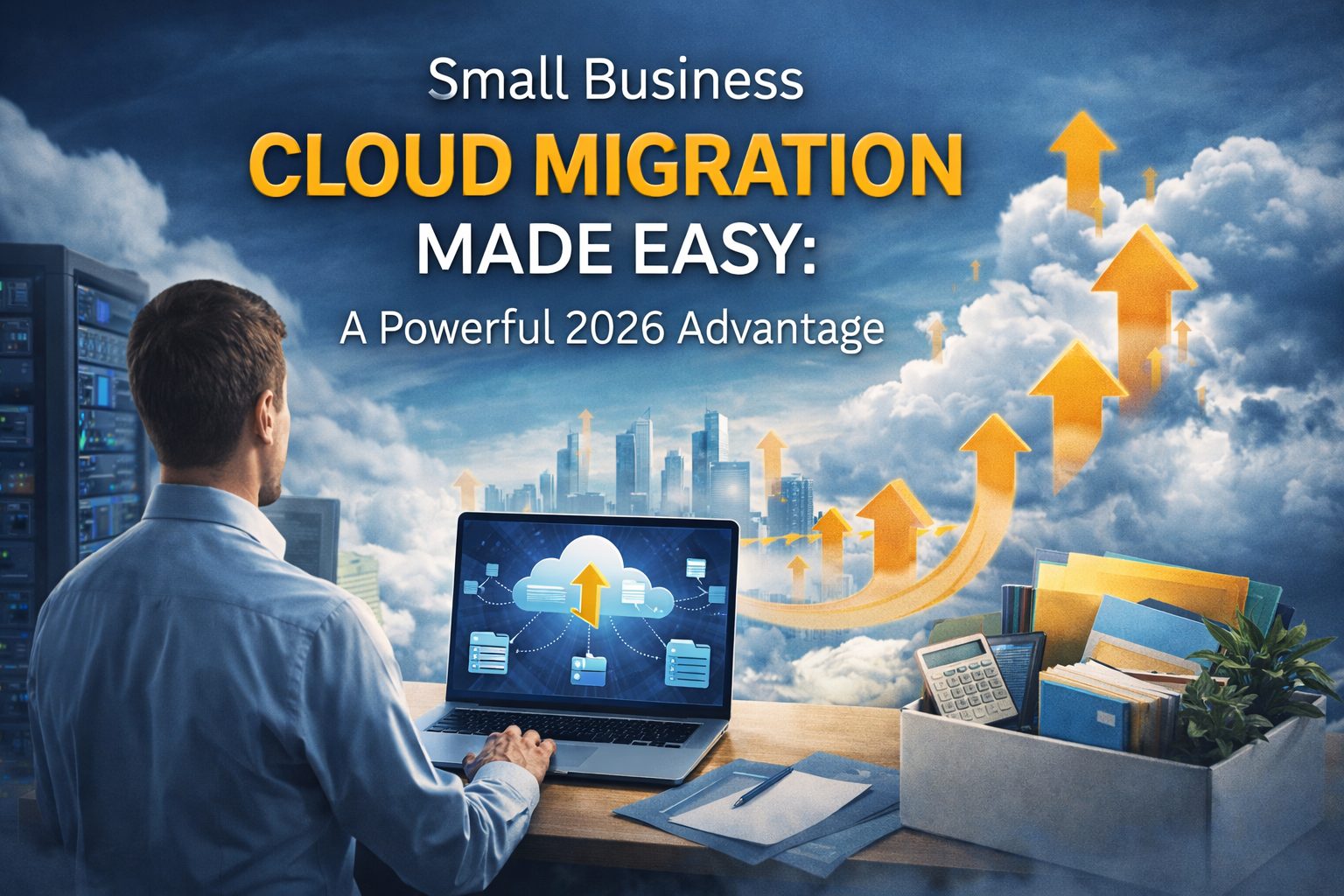
When companies explore setting up IT infrastructure for a small business, one of the biggest financial challenges is the large upfront hardware expenses. Cloud-based services and subscription tools offer an alternative that spreads costs over time and allows businesses to scale as needed.
Cloud solutions can reduce the need to maintain physical servers, manage hardware repairs, and plan for large replacement cycles. Instead of paying for capacity you may not use, you can adjust services based on business growth or seasonal needs. This flexibility helps stabilize cash flow and supports predictable budgeting.
It is also true that cloud costs must be monitored carefully. Some organizations move services back on-site after finding certain cloud workloads more expensive than expected. The key is not choosing cloud by default but selecting it where it delivers clear operational and financial benefits. A balanced approach often provides the best outcome.
Strengthening Security at the User Level First
Cybersecurity does not always require complex or expensive tools to make a meaningful impact. In fact, many successful attacks exploit basic weaknesses that can be addressed with affordable steps.
Implementing multi-factor authentication, enforcing strong password policies, and ensuring regular software updates can block a large percentage of common threats. These measures protect email accounts, business applications, and remote access systems without major investments.
By focusing first on user-level protections, businesses improve their security posture while keeping costs manageable. This strategy also builds a foundation that supports future security upgrades, such as advanced monitoring or endpoint protection.
Automation: Lower Costs and Fewer Errors
Manual processes often create hidden costs. They take employee time, introduce the possibility of mistakes, and slow down operations. Simple automation tools can handle routine tasks like data entry, reporting, scheduling, and system updates.
When businesses modernize your IT infrastructure with automation in mind, they improve reliability while reducing human error. Systems that follow consistent rules perform tasks the same way every time. This stability is especially important in areas involving customer data, billing, and compliance.
Automation also supports growth without requiring the same increase in staffing. Employees can focus on higher-value work while routine processes run in the background.
Invest Where Downtime Hurts the Most
Not all technology problems have the same impact. A slow printer is inconvenient, but a failing system that supports billing or customer records can cause serious financial and reputational damage.
Modernization efforts should begin with systems tied directly to revenue, client data, and daily productivity. Replacing aging equipment in these areas often leads to noticeable performance gains and fewer interruptions.
Businesses sometimes consider replacing every device at once, including equipment that still performs well. A better approach is to upgrade high-risk or high-impact systems first and extend the life of stable equipment where possible. This balances performance improvements with responsible spending.
Managed Service Providers as a Cost Control Strategy
Relying on a single internal technician can create risk. Knowledge may be concentrated in one person, and coverage can be limited during absences or busy periods. Managed service providers (MSPs) offer access to a team of specialists for a predictable monthly cost.
By working with an MSP, businesses gain ongoing monitoring, maintenance, and strategic guidance. This helps prevent problems before they escalate and reduce emergency repair expenses. MSPs also stay current with technology trends, security threats, and best practices, which would be difficult for a small internal team to manage alone.
Gallop Technology Group provides these services with a focus on reliability, cybersecurity, and long-term planning. Their structured approach supports small business IT infrastructure modernization while keeping budgets stable.

Building a Simple IT Roadmap
Modernization works best when guided by a clear plan. An IT roadmap outlines current systems, upcoming upgrades, security improvements, and long-term goals. It helps businesses avoid impulsive purchases and ensures technology investments align with operational needs.
A roadmap also supports budgeting by spreading costs over time. Instead of reacting to sudden failures, businesses can schedule upgrades in advance, compare options, and negotiate better pricing.
This structured planning reduces wasted spending and provides confidence that technology decisions support growth rather than create new challenges.
Balancing Cost, Performance, and Security
Smart modernization involves trade-offs. Lower costs should not come at the expense of security, and high performance must fit within financial limits. The goal is to create a balanced environment where systems are reliable, protected, and scalable.
Businesses that regularly review their infrastructure can adjust plans as needs change. Whether expanding locations, supporting remote work, or adopting new software, a flexible strategy allows technology to support progress instead of slowing it down.
Why Small Businesses Benefit Most from a Smart Approach
Large enterprises often have dedicated teams and extensive budgets. Small businesses, however, must achieve the same reliability with fewer resources. This makes careful planning even more important.
By modernizing in stages, focusing on critical systems, and using cloud, security, and automation wisely, small organizations can compete effectively. They avoid unnecessary spending while gaining tools that support efficiency and resilience.
Final Thoughts: A Practical Path Forward
Technology should support business goals, not strain the budget. A thoughtful approach to setting up IT infrastructure for a small business or upgrading existing systems can deliver meaningful improvements in performance, security, and reliability without large, sudden expenses.
Gallop Technology Group helps organizations modernize your IT infrastructure with practical strategies tailored to business needs. Our team provides managed services, cybersecurity support, cloud solutions, and long-term planning designed to keep systems stable and costs predictable.
If you are ready to take a smarter approach to modernization, contact our team at 480-614-4227 to discuss your goals. The right plan today can help your business stay competitive, secure, and prepared for the future.
Sources:
- National Institute of Standards and Technology (NIST) – Cybersecurity Best Practices
https://www.nist.gov/cyberframework
- International Data Corporation (IDC) – IT Modernization & Cloud Research
https://www.idc.com/
Frequently Asked Questions:
What are the first steps when setting up IT infrastructure for a small business?
When setting up IT infrastructure for a small business, start with secure networks, reliable internet, cloud productivity tools, data backup, and strong user security measures like multi-factor authentication.
How do managed service providers help small business IT infrastructure?
Managed service providers offer monitoring, maintenance, cybersecurity, and strategic planning for a predictable monthly cost, helping businesses control expenses and avoid downtime.
How does IT infrastructure modernization help business growth?
Modern systems improve speed, reliability, and security, which support productivity and customer service. This creates a stable technology foundation for long-term business growth.
What is IT infrastructure modernization for small businesses?
IT infrastructure modernization is the process of upgrading systems, networks, and tools in a small business IT infrastructure to improve performance, security, and reliability without unnecessary spending.
How can I modernize your IT infrastructure on a budget?
You can modernize your IT infrastructure affordably by prioritizing cloud services where they make sense, upgrading high-impact systems first, improving cybersecurity basics, and using managed services instead of large capital expenses.