Understanding the True Cost of Cybersecurity Breaches
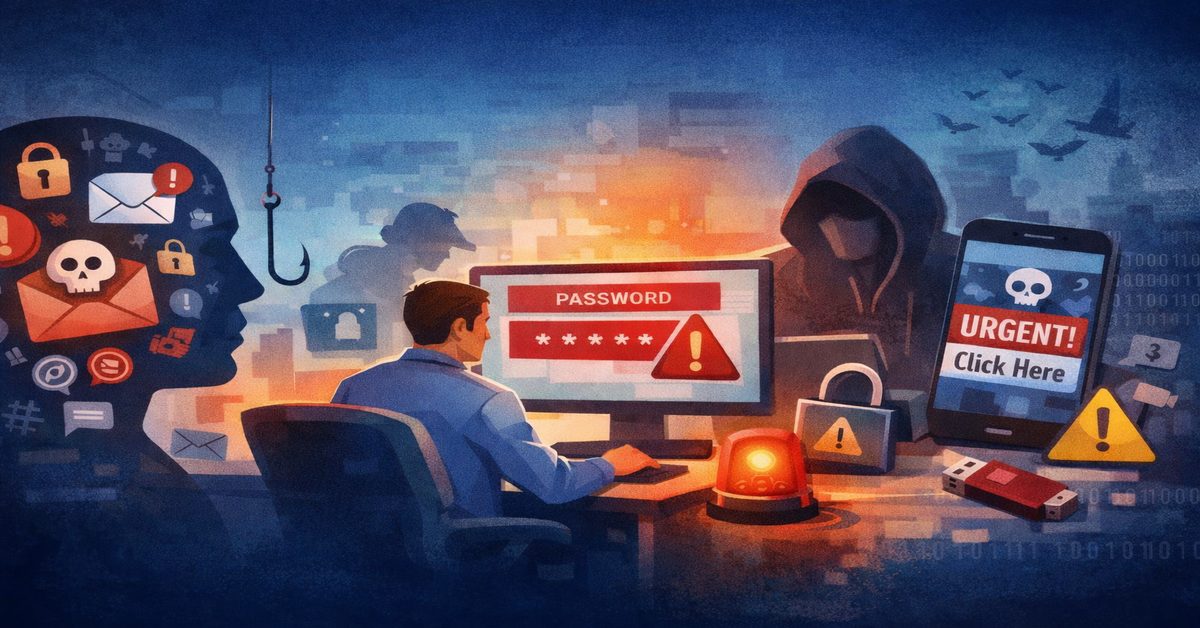
When people think about cyberattacks, they imagine complex hacks and code. In reality, the cost of cybersecurity breaches often starts with one small action: opening a phishing email, downloading a file, or reusing a weak password. The fallout isn’t just IT cleanup — it’s business disruption, lost client trust, team stress, and damage that can last for years. That’s why leadership, culture, and daily habits matter as much as tools and software.
Gallop Technology Group can help. We provide managed cybersecurity and assist you with behavior‑focused staff training, risk assessments, and incident response so your team can work safely, and your business can grow. Call our team at 480-614-4227 and get your free IT assessment and protect your organization today.
Why Behavior Drives So Much Risk
Most incidents begin with people, not systems. Reports from the field consistently show that human behavior in cybersecurity — like clicking on a fake link or using stolen credentials — is involved in the majority of breaches. This is exactly why the real cost of behavioral cybersecurity breaches is so high: one easy‑to‑make mistake can trigger investigations, legal reviews, downtime, and long‑term client doubts.
A Simple Scenario: 1 Email → 1 Account → Six‑figure Pain
Imagine a 25‑person professional firm.
One phishing email slips through.
One person clicks.
One account gets compromised.
Now you’re dealing with:
- Forensic investigations and containment
- Legal and compliance reviews
- System downtime and missed deadlines
- Client notifications and tough conversations
- Cyber insurance back‑and‑forth
- Possible PR cleanup
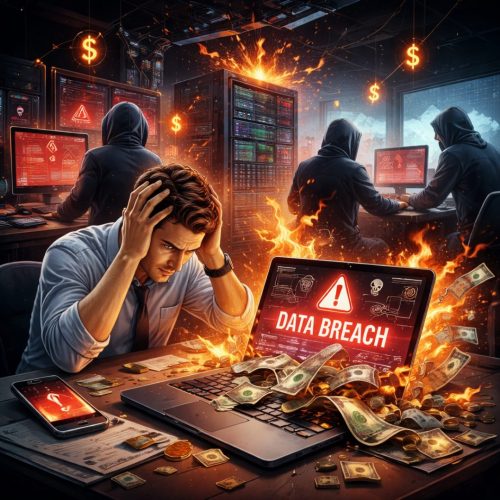
For many small and mid‑sized firms, a six‑figure impact is not unusual for a single account to compromise — and that’s before you count reputational damage and lost deals later. This is what turns small actions into big bills, and why the cost of cybersecurity breaches can surprise leadership.
The Real Cost of Behavioral Cybersecurity Breaches
Let’s make the hidden costs visible:
- Business disruption and downtime
Work stops, projects slip, and revenue takes a hit. Even when direct costs seem “manageable,” the lost time and missed opportunities add up quickly for SMEs.
- Client trust and reputation
You might restore systems fast, but trust recovers slowly. Some clients will hesitate to share data or sign new work, which affects the pipeline and cash flow for months.
- People costs
Over time, burnout and context switching drain your team. Normal work stalls while everyone focuses on recovery.
- Legal and compliance
You may need to notify clients, regulators, or partners, and document your response thoroughly.
- Insurance friction
Cyber insurance helps with some bills, but it’s not a safety net for weak practices — and it doesn’t fix reputation or relationships.
These are organizational cybersecurity risk factors created by everyday behaviors and decisions, which is why leadership attention is essential.
Cyber Insurance Helps — But It Won’t Save You from Weak Controls
Insurers increasingly expect real controls, including:
- Multi‑factor authentication (MFA) enforced across accounts
- Documented, recurring security training
- Clear policies and role‑based access
- Up‑to‑date software and monitored systems
If these are missing, claims can be reduced or denied. Even when insurance pays, it doesn’t restore reputation, rebuild client trust, or remove the stress your team just experienced. Insurance transfers some financial risk — not accountability or credibility.
Practical, no‑jargon Steps Leaders Can Take
- Make security a team habit
Treat every click as a business decision. Remind people that one action can have big consequences. - Train little and often
Short, frequent refreshers (especially phishing drills and password hygiene) beat once‑a‑year seminars. - Enforce MFA everywhere
This basic control stops many account takeovers and is now expected by insurers. - Build a no‑blame reporting culture
People should feel safe reporting mistakes immediately. Fast reporting reduces damage. - Test and tune regularly
Run phishing simulations, review permissions, and close gaps tied to human behavior in cybersecurity.
Quick Takeaway for Busy Leaders
- The cost of cybersecurity breaches is driven as much by people and processes as by technology.
- The real cost of behavioral cybersecurity breaches includes downtime, lost trust, and months of recovery work.
- Cyber insurance can offset some expenses, but it can’t repair reputation — and it now expects stronger controls.
Ready To Strengthen Your Human Defenses?
Gallop Technology Group delivers behavior‑focused training, managed cybersecurity, risk assessments, incident response, and compliance support so your team can work safely, and your organization can grow with confidence.
Call our team at 480-614-4227 to get your free IT assessment and get started with your cybersecurity plan.
Sources
- Human error and phishing as leading causes of breaches
https://www.totalassure.com/blog/human-error-cybersecurity-statistics-2025
- Global breach costs and human‑element prevalence (industry statistics roundup)
https://deepstrike.io/blog/data-breach-statistics-2025
- Cyber insurance expectations & breach‑cost themes (IBM Cost of a Data Breach 2025 overview)
https://www.bakerdonelson.com/webfiles/Publications/20250822_Cost-of-a-Data-Breach-Report-2025.pdf
- SMB‑focused breach impact statistics
https://www.huntress.com/blog/data-breach-statistics
Frequently Asked Questions:
1. What is the real cost of cybersecurity breaches for small and mid-sized businesses?
The real cost of cybersecurity breaches goes far beyond technical recovery. It includes downtime, legal reviews, client notifications, lost trust, insurance complications, and long-term reputation damage. Even a single compromised account can reach six-figure costs for smaller firms.
2. How does human behavior increase cybersecurity risk?
Human behavior in cybersecurity plays a major role in breaches. Most incidents start with simple actions like clicking a phishing link or reusing a weak password. These small mistakes often lead to account compromise, unauthorized access, and large-scale business disruption.
3. Why are behavioral cybersecurity breaches so expensive?
The real cost of behavioral cybersecurity breaches comes from how quickly a small mistake grows into a major event. Investigations, downtime, client communication, and legal steps add up quickly. The financial impact is often multiplied by lost trust and delayed business.
4. Will cyber insurance cover the full cost of a breach?
Cyber insurance can help cover some financial losses, but it isn’t a safety net for poor practices. Many insurers now require strong controls like MFA, documented training, and updated security policies. If these aren’t in place, claims can be reduced or denied.
5. What can leaders do to reduce human-driven cybersecurity risks?
Leaders can reduce organizational cybersecurity risk factors by enforcing MFA, setting up frequent training, promoting a no-blame reporting culture, and regularly testing staff with phishing simulations. Strong leadership creates safer habits and minimizes behavioral risks.