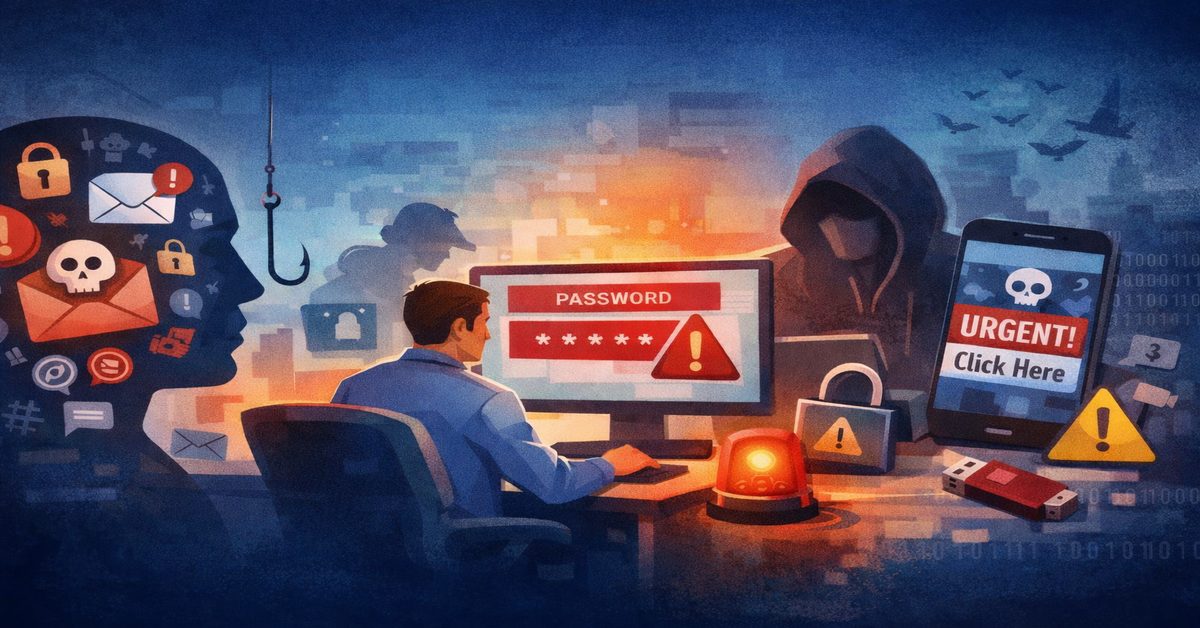
Building a Practical IT Strategy Roadmap That Supports Growth and Security
Running a small business today means relying on technology for almost everything, from communication and data storage to security and daily operations. Without a clear plan, technology decisions often become reactive, costly, and risky. This is where an IT strategy roadmap becomes essential. An IT strategy roadmap helps small businesses plan technology investments in a structured way, ensuring that systems support business goals while reducing unnecessary risks and expenses.
Instead of chasing trends or adopting tools without direction, a well-built roadmap allows business owners to move forward with clarity. It connects business priorities with technology decisions, helping organizations stay secure, agile, and prepared for change. For 2026, small businesses that follow a practical roadmap will be far better positioned to adopt AI, strengthen cybersecurity, and control costs without disruption.
Gallop Technology Group works closely with small businesses to design IT strategies that are realistic, secure, and aligned with long-term growth. From cybersecurity planning and business continuity to managed IT services, we help organizations turn technology into a strategic advantage rather than a constant challenge.
Why an IT Strategy Roadmap Matters for Small Businesses
An IT strategy roadmap is more than a technology checklist. It is a structured plan that outlines how IT supports business objectives over time. Many small businesses struggle because their IT decisions are made in isolation. One tool is added to solve an immediate problem, another is layered on later, and before long, systems become inefficient and difficult to manage.
A clear business IT roadmap prevents this situation by creating alignment between leadership goals and technology execution. When business owners know what they are working toward, IT investments become intentional instead of reactive. This results in better budgeting, improved security, and smoother operations.
Defining Strategic Objectives Before Building the Roadmap
Aligning IT Strategy With Business Priorities
The first step in building a practical roadmap is defining strategic objectives. Before choosing tools or platforms, small business owners must identify what matters most to the organization. This could include reducing cybersecurity risk, improving compliance, enabling remote work, or preparing for growth.
An effective IT strategy roadmap ensures that technology initiatives support these goals rather than distract from them. For example, a business focused on data protection may prioritize security upgrades before investing in automation tools. Another organization focused on efficiency may look for ways to streamline workflows while maintaining strong safeguards.
Clarity at this stage prevents wasted spending and ensures technology decisions deliver measurable value.
Assessing Your Current Technology and Security Environment
Understanding Where Your Business Stands Today
Before planning where to go, it is critical to understand where you are. A thorough assessment of the current IT environment reveals gaps, risks, and inefficiencies that may not be immediately visible. This includes reviewing hardware, software, network security, cloud usage, and user access controls.
A technology and security maturity assessment helps businesses determine whether existing systems can support future plans. Many organizations discover outdated tools, inconsistent security policies, or unmanaged devices that create vulnerabilities. Addressing these issues early reduces the risk of costly incidents later.
This step also informs decisions about whether to strengthen existing systems or replace them entirely as part of the IT technology roadmap.
Prioritizing Technology Based on Risk and Impact
Making Smarter Decisions With Limited Resources
Small businesses often operate with limited budgets, making prioritization essential. Not every technology trend needs immediate adoption. A strong roadmap evaluates initiatives based on risk, impact, and alignment with business objectives.
Security-related investments, such as Zero Trust access controls and AI-driven threat detection, often deliver immediate value by reducing exposure to cyber threats. Medium-term initiatives may include enhanced training, identity management improvements, or selective automation. Long-term considerations might focus on emerging technologies that are not yet mission-critical but could become relevant later.
This approach ensures that the IT roadmap supports stability first, then growth.
Building Roadmap Phases for Sustainable Progress
Breaking the IT Strategy Into Manageable Stages
One of the most effective ways to implement an IT strategy roadmap is through phased execution. Rather than attempting to deploy everything at once, businesses benefit from a structured timeline.
Phase one often focuses on foundational improvements, such as strengthening cybersecurity, implementing core monitoring tools, and establishing compliance processes. Phase two may involve integrating systems, adopting automation, and improving operational efficiency. Phase three looks ahead, evaluating future technologies and optimizing sustainability.
Phasing allows businesses to manage change effectively while maintaining daily operations.
Assigning Ownership and Budget Accountability
Turning Plans Into Action
A roadmap without ownership rarely succeeds. Each initiative within the roadmap should have a clear owner responsible for execution, monitoring, and reporting progress. This may involve internal staff, leadership, or a trusted IT partner.
Budget planning is equally important. Allocating resources in advance prevents delays and ensures technology initiatives remain aligned with financial expectations. A well-managed business IT roadmap balances cost control with strategic investment, allowing businesses to grow without unnecessary risk.
Monitoring, Measuring, and Adapting the IT Strategy Roadmap
Keeping the Plan Relevant Over Time
Technology evolves rapidly, and an IT roadmap should never be static. Regular reviews help businesses adjust priorities based on new risks, regulatory changes, or operational needs. Key performance indicators provide insight into whether investments are delivering expected outcomes.
Quarterly reviews allow businesses to remain agile while staying focused on long-term goals. Adjustments made early are far less disruptive than reactive changes during a crisis.
Why Security Must Be Central to Every IT Strategy Roadmap
Avoiding Costly Risks Through Proactive Planning
Security is not an optional component of modern IT planning. As businesses adopt AI and cloud-based tools, exposure to cyber threats increases. Implementing technology without proper safeguards often leads to higher costs later due to breaches, downtime, or compliance failures.
A practical IT strategy roadmap integrates cybersecurity at every stage. This includes access controls, monitoring, employee awareness, and incident response planning. Businesses that treat security as a foundation rather than an afterthought are better protected and more resilient.

How a Managed IT Partner Supports Roadmap Success
Turning Strategy Into Sustainable Operations
Many small businesses lack the internal resources to design and maintain a comprehensive IT roadmap. Working with a managed IT partner provides access to expertise, proactive monitoring, and strategic guidance.
Gallop Technology Group helps small businesses design and execute IT roadmaps that align with their goals, budgets, and risk tolerance. Our services include managed IT support, cybersecurity planning, compliance guidance, and business continuity solutions designed to support long-term success.
Preparing Your Business for 2026 and Beyond
Investing in the Right Technology at the Right Time
The businesses that succeed in 2026 will be those that plan ahead. A well-structured roadmap reduces uncertainty and allows organizations to adapt with confidence. By aligning technology with strategy, small businesses can improve efficiency, protect sensitive data, and support sustainable growth.
Rather than reacting to change, a clear roadmap enables proactive decision-making that supports both current operations and future opportunities.
Build a Smarter IT Strategy With Expert Guidance
A practical IT strategy roadmap is no longer optional for small businesses. It is a critical tool for managing risk, controlling costs, and supporting growth in an increasingly digital environment. By defining objectives, assessing current systems, prioritizing initiatives, and reviewing progress regularly, businesses can turn technology into a competitive advantage.
Gallop Technology Group specializes in helping small businesses build secure, scalable IT strategies that align with real-world needs. From cybersecurity and managed IT services to long-term planning and business continuity, we provide guidance every step of the way.
If you are ready to create or refine your IT strategy roadmap, contact our team today at 480-614-4227 to start planning a smarter, more secure future for your business.
Sources
- National Institute of Standards and Technology (NIST) – Cybersecurity Framework
https://www.nist.gov/cyberframework
- Gartner – IT Roadmap Best Practices
https://www.gartner.com/en/information-technology/insights/it-roadmap
- Microsoft – Zero Trust Security Model
https://www.microsoft.com/security/business/zero-trust
Frequently Asked Questions:
What is an IT strategy roadmap?
An IT strategy roadmap is a long-term plan that outlines how technology supports a business’s goals. It helps small businesses prioritize systems, security, and investments over time instead of making reactive IT decisions.
Why do small businesses need an IT strategy roadmap?
Small businesses need an IT strategy roadmap to reduce risk, control costs, and ensure technology supports growth. Without one, IT decisions often become scattered, inefficient, and harder to secure.
What should a business IT roadmap include?
A business IT roadmap should include strategic objectives, a current technology assessment, prioritized initiatives, implementation phases, budget planning, ownership, and performance metrics.
What are common mistakes when creating an IT roadmap?
Common mistakes include ignoring cybersecurity, failing to align IT with business goals, not assigning ownership, and treating the roadmap as a one-time document instead of an ongoing plan.
When should a small business start building an IT strategy roadmap?
The best time to build an IT strategy roadmap is before problems occur. Businesses planning for growth, compliance, or technology changes should start as early as possible to reduce risk.