Small Business Cloud Migration as a Practical Growth Strategy
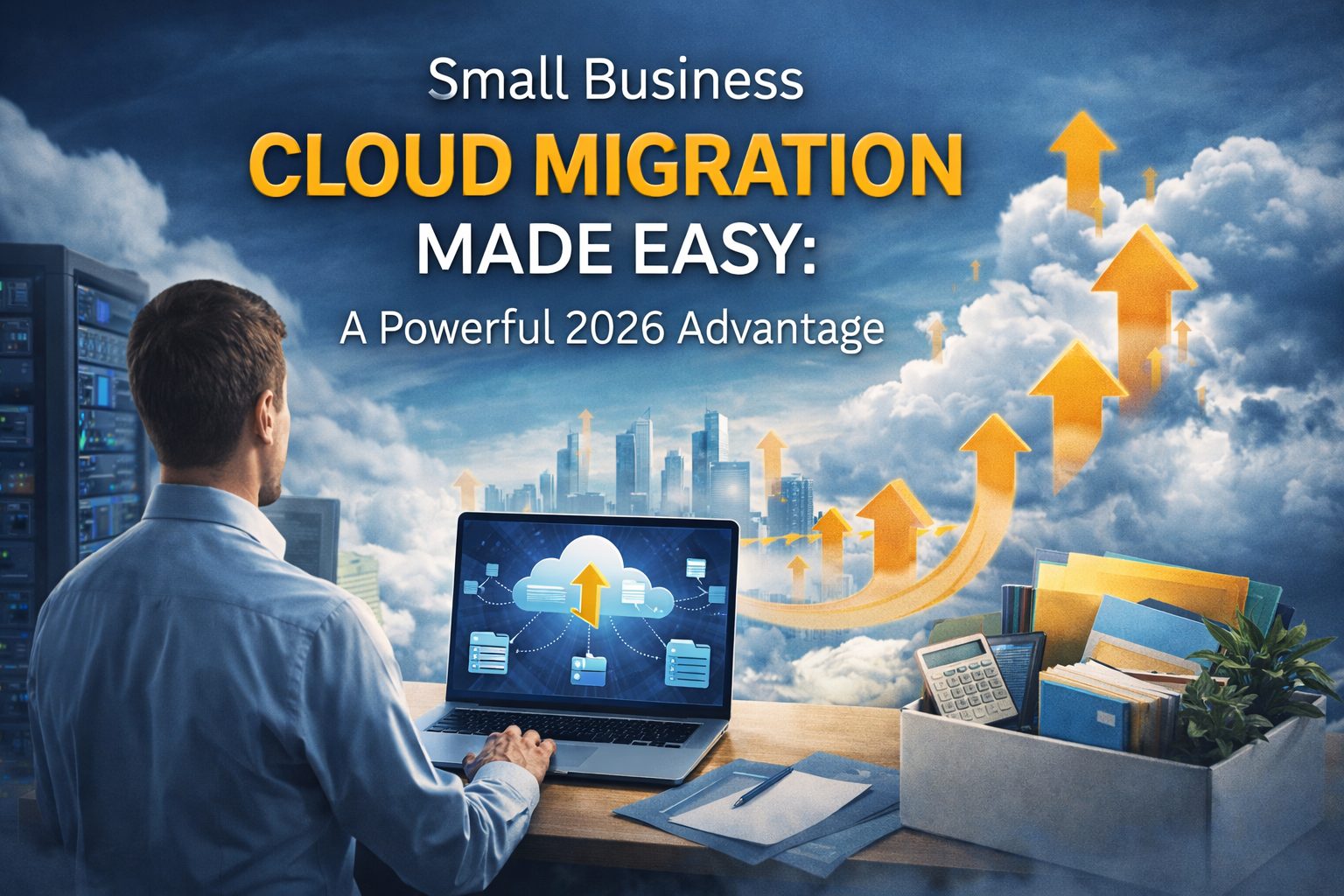
Small business cloud migration has become one of the most practical ways for owners to improve efficiency, manage costs, and prepare for future growth. Many small businesses still rely on aging servers, limited storage, and systems that restrict remote work. These setups often lead to higher maintenance expenses, downtime risks, and slower operations. Migrating to the cloud allows businesses to shift away from physical infrastructure and toward a more flexible, scalable, and secure environment that supports day‑to‑day operations and long‑term goals.
Gallop Technology Group helps small businesses make this transition with clarity and confidence. Our cloud services are designed to simplify migration, reduce disruption, and align technology decisions with real business needs. Whether your goal is cost control, better data access, or improved security, our team builds cloud solutions that support sustainable growth. Call us today at 480-614-4227 for your free IT assessment.
Understanding Cloud Migration for Small Businesses
Cloud migration for small businesses refers to the process of moving data, applications, and IT workloads from on‑premise systems to cloud‑based platforms. This shift allows businesses to access systems remotely, scale resources when needed, and reduce dependence on physical servers and hardware.
For many owners, cloud migration is not about chasing trends. It is about solving practical problems such as slow systems, unreliable backups, or difficulty supporting remote teams. When done correctly, cloud migration improves operational stability while freeing businesses from ongoing infrastructure concerns.
Small businesses benefit most when cloud migration is approached as a business initiative rather than a purely technical project. The goal is not just to move systems, but to improve how the business functions every day.
Building a Migration to Cloud Strategy That Fits Your Business
A successful migration to cloud strategy begins with understanding your business priorities. Some companies focus on reducing IT costs, while others prioritize data security or flexibility for remote work. Defining these goals early helps ensure the migration supports your operations rather than complicating them.
The next step involves reviewing existing systems and identifying which applications are essential. Some tools may need minor adjustments before moving to the cloud, while others can be replaced with modern cloud‑based solutions. This evaluation helps reduce unnecessary complexity and ensures that only valuable systems are migrated.
Choosing the right cloud environment is also an important decision. Many small businesses benefit from public cloud platforms due to their affordability and ease of use. In some cases, a hybrid setup may be appropriate when sensitive data or compliance requirements are involved. The right choice depends on how your business operates and what level of control you need.
Gallop Technology Group works closely with small business owners to design a migration plan that balances performance, security, and cost. Every strategy is tailored to the organization’s size, industry, and long‑term objectives.
Applying Cloud Migration Best Practices for Long‑Term Success
Following proven cloud migration best practices help reduce risk and ensure smoother transitions. One of the most effective approaches is migrating in phases rather than all at once. Starting with less critical systems allows businesses to test performance, identify challenges, and build confidence before moving core operations.
Security should be integrated from the beginning of the migration process. Cloud platforms provide built‑in tools for encryption, access control, and monitoring. When configured correctly, these features often exceed the security capabilities of traditional on‑premise systems.
Cost management is another essential best practice. Cloud services operate on usage‑based pricing, which can be cost‑effective when monitored properly. Setting budgets, tracking usage, and reviewing monthly costs help prevent unexpected expenses and keep spending aligned with business goals.
Ongoing optimization is equally important. Cloud environments should be reviewed regularly to ensure systems remain efficient, secure, and aligned with changing business needs. Cloud migration is not a one‑time event but an ongoing improvement process.
Common Challenges Small Businesses Face During Cloud Migration
Without proper planning, small businesses may encounter challenges during migration. One common issue is moving legacy applications without adjustments, which can limit performance gains. Another risk is overlooking data backup and recovery planning, which can expose businesses to data loss.
Unexpected costs can also occur when cloud usage is not closely monitored. These challenges are avoidable with a clear migration strategy and experienced guidance.
By following structured cloud migration best practices and working with knowledgeable partners, small businesses can avoid these pitfalls and achieve consistent results.
Real Business Benefits of Cloud Migration
Small businesses that complete a well‑planned cloud migration often experience improved system reliability, faster access to data, and greater flexibility. Cloud platforms support remote work, simplify collaboration, and reduce the burden of maintaining physical hardware.
Financially, cloud migration can help stabilize IT spending by replacing large capital expenses with predictable monthly costs. Operationally, businesses gain access to modern tools that support automation, analytics, and secure data management.
Perhaps most importantly, cloud migration gives small businesses the ability to adapt quickly. As business needs to change, cloud environments can scale without major infrastructure investments, supporting growth without unnecessary complexity.

- Schedule time with me
How Gallop Technology Group Supports Small Business Cloud Migration
Gallop Technology Group specializes in helping small businesses navigate cloud migration with confidence. Our approach focuses on understanding your business first, then designing a migration to cloud strategy that supports your operations and growth plans.
We guide clients through assessment, planning, execution, and post‑migration optimization. Our services are built around practical solutions, not one‑size‑fits‑all recommendations. By applying proven cloud migration best practices, we help businesses reduce risk, control costs, and achieve measurable results.
Move Forward with Confidence
Small business cloud migration is a practical step toward stronger operations, better security, and long‑term flexibility. When approached with a clear strategy, it allows business owners to reduce operational strain while creating an IT environment that supports growth and adaptability. A well‑planned migration to cloud strategy ensures that technology decisions align with real business needs, while cloud migration best practices help minimize disruption and manage costs effectively.
Gallop Technology Group supports small businesses at every stage of the cloud migration journey. From planning and execution to optimization and ongoing support, our team focuses on building reliable, scalable cloud environments that grow with your business. If you’re ready to simplify your infrastructure and unlock the advantages of cloud technology, contact us at 480-614 4227 to begin your cloud migration with a trusted partner.
Sources
- Amazon Web Services – Cloud Migration for Small Businesses
https://aws.amazon.com/cloud-migration/
- Microsoft Azure – Cloud Adoption Framework for Small Businesses
https://learn.microsoft.com/azure/cloud-adoption-framework/
- Gartner – Cloud Migration Best Practices
https://www.gartner.com/en/information-technology/insights/cloud-migration
- IBM – Cloud Migration Strategy Overview
https://www.ibm.com/cloud/learn/cloud-migration
Frequently Asked Questions:
What is small business cloud migration?
Small business cloud migration is the process of moving your data, applications, and systems from physical office servers to cloud‑based platforms. This shift allows your business to access files and tools remotely, strengthen security, reduce hardware costs, and scale more easily as your operations grow.
How long does a typical cloud migration take for a small business?
Most small businesses can complete their migration within a few weeks, depending on the size of the company, the number of applications being moved, and the level of preparation beforehand. A phased migration—starting with less critical systems—usually makes the transition smoother and reduces downtime.
Will cloud migration disrupt daily operations?
With proper planning, disruption can be kept to a minimum. Many migrations occur in stages or during off‑hours, allowing your team to work normally without noticing major changes. Having a clear migration to cloud strategy helps ensure continuity throughout the process.
Is the cloud secure enough for sensitive business information?
Yes. Cloud platforms include advanced security features like encryption, identity management, continuous monitoring, and automated backups. Many of these controls exceed the safety level of on‑premise servers. The key is configuring these tools correctly and keeping them updated, which a trusted provider can help manage.
How can GallopTech Group support my cloud migration?
GallopTech Group provides a complete, guided cloud migration service designed specifically for small businesses. We handle everything from assessment and planning to execution and ongoing optimization. Our approach ensures your systems are secure, scalable, and aligned with your business goals—while keeping downtime low and costs predictable.