How to Tell If Your Business Domain Has Already Been Compromised
Your business domain is one of the most important digital assets your company owns. It powers your website, email communications, customer interactions, and online reputation. When a domain falls into the wrong hands or becomes the target of cybercriminals, the consequences can range from email fraud and website defacement to data theft and financial losses.
Unfortunately, many small business owners do not realize they are dealing with a compromised domain until customers start reporting suspicious emails, the website becomes unavailable, or search rankings suddenly drop. Recognizing the warning signs early can help prevent a minor issue from turning into a serious security incident.
At Gallop Technology Group, we help businesses strengthen their cybersecurity posture through managed IT services, network security, Microsoft 365 protection, and proactive cybersecurity monitoring. By identifying potential threats early and implementing the right safeguards, businesses can reduce the risk of a costly business domain compromise and maintain customer trust.
Why Your Domain Is a Valuable Target
A domain is more than a website address. It serves as the foundation of your online identity. Cybercriminals understand this, which is why they frequently target business domains through phishing attacks, credential theft, DNS manipulation, and domain hijacking.
When attackers gain access to a domain, they can redirect visitors to malicious websites, send fraudulent emails that appear legitimate, intercept communications, or impersonate your company. Security agencies worldwide continue to warn organizations about the risks associated with compromised authentication systems and digital infrastructure because they often become a gateway for broader attacks.
The good news is that there are several warning signs that can help you detect a potential issue before significant damage occurs.
Unexpected Changes to Your Website
One of the most obvious indicators of a compromised domain is unusual activity on your website.
You may notice pages that you did not create, unfamiliar content appearing on your homepage, unexpected redirects, or website performance issues. In some cases, users may report seeing spam pages, strange advertisements, or security warnings when they attempt to visit your site.
Attackers often modify websites after obtaining access to domain-related accounts or hosting environments. Their goal may be to distribute malware, collect customer information, or leverage your website’s reputation to support their own malicious activities.
Even subtle changes should not be ignored. A single unauthorized update could indicate that someone has gained access to your digital assets.
Customers Receive Suspicious Emails From Your Company
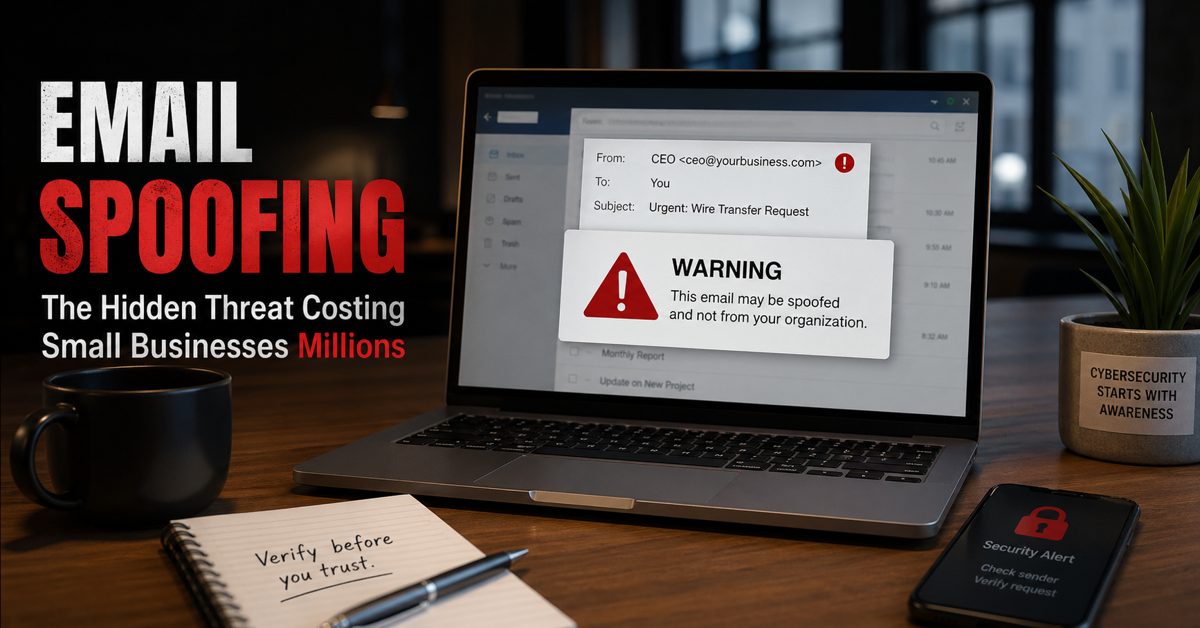
Email remains one of the most common ways criminals exploit a business domain.
If clients, vendors, or employees report receiving unusual emails from your account, it could indicate that cybercriminals have gained access to your email environment or are abusing your domain for phishing campaigns.
These emails may include:
- Requests for payments
- Fake invoices
- Password reset messages
- Suspicious links
- Unexpected attachments
Because the messages appear to come from your organization, recipients are more likely to trust them. Attackers frequently use compromised business domains to increase the success rate of fraud attempts.
A sudden increase in customer complaints about strange emails should always trigger an immediate investigation.
Your Website Is Redirecting Visitors Elsewhere
Website redirects can serve legitimate purposes, but unexpected redirects are often a serious warning sign.
If visitors attempt to access your website and are instead sent to unrelated pages, gambling sites, fake login portals, or suspicious downloads, your domain settings may have been altered.
This issue is commonly associated with DNS changes made without authorization. Once attackers gain access, they can reroute traffic to destinations under their control.
These attacks not only place visitors at risk but can also severely damage your company’s reputation.
Unfamiliar DNS or Domain Settings
DNS records determine where your website traffic and emails are directed. Because these settings are critical to normal business operations, unauthorized modifications can indicate a business domain compromise.
Business owners should periodically review DNS records and domain registrar settings. Common signs of trouble include:
- New DNS entries you did not create
- Modified mail exchange (MX) records
- Unknown administrator accounts
- Changes to contact information
- Altered name servers
Domain security experts frequently identify unauthorized DNS changes as a major warning sign of domain-related attacks because they allow criminals to redirect traffic and intercept communications.
Employees Can No Longer Access Email
Email disruptions should never be dismissed as a routine technical issue.
If users suddenly lose access to business email accounts, experience login failures, or encounter unexpected password resets, attackers may be attempting to take control of the organization’s communications systems.
Cybercriminals often begin a larger attack by compromising a single account. Once inside, they may modify credentials, establish forwarding rules, or create additional accounts to maintain persistence.
Prompt investigation is critical whenever email access problems occur without a clear explanation.
Search Engines Flag Your Website
Search engines work hard to protect users from harmful websites. If malicious content appears on your site, search engines may issue warnings to visitors.
Some common indicators include:
- Browser security alerts
- Search result warnings
- Significant ranking declines
- Deindexing of website pages
A sudden drop in organic traffic can sometimes signal that a website has been compromised and flagged for suspicious behavior.
For small businesses that rely on online visibility, these warnings can have a direct impact on revenue and customer trust.
Sudden Spikes in Website Traffic
Not all traffic increases are positive.
An unexpected surge in visitors from unfamiliar locations could indicate malicious activity. Attackers sometimes use compromised websites to host spam content, distribute malware, or participate in larger botnet operations.
Watch for unusual patterns including:
- Large amounts of traffic from countries you do not serve
- High bounce rates
- Excessive requests to specific pages
- Unexpected bandwidth consumption
Reviewing website analytics regularly can help identify this behavior before it escalates.
Security Alerts From Vendors or Service Providers
Many hosting providers, domain registrars, and cybersecurity platforms actively monitor for suspicious activity.
It is important to take these alerts seriously.
Notifications regarding login attempts, DNS modifications, malware detection, or unusual administrative activity may be the first indication that someone is targeting your business domain.
Ignoring these warnings can give attackers additional time to expand their access and cause greater damage.
Unauthorized User Accounts Appear
New administrator accounts that no one recognizes are a major red flag.
After attackers gain access, they often create additional accounts to ensure they can return even if passwords are changed. This tactic helps maintain long-term control over systems and services.
Regularly auditing user access across your domain management platforms, email systems, and website administration panels can help uncover suspicious activity before it develops into a larger security problem.

You Discover Lookalike Domains Impersonating Your Business
Cybercriminals frequently create domain names that closely resemble legitimate businesses.
Examples may include:
- Missing letters
- Added characters
- Alternate spellings
- Different domain extensions
These lookalike domains are commonly used in phishing attacks designed to deceive customers and employees.
Security researchers continue to report widespread use of imitation domains because they can effectively steal credentials, distribute malware, and support business email compromise schemes.
If customers report odd website addresses or suspicious communications, investigate immediately.
Financial Transactions Begin Looking Suspicious
Financial fraud often follows a successful domain-related attack.
You may notice:
- Fake invoices
- Unauthorized payment requests
- Vendor payment changes
- Unexpected wire transfer instructions
When criminals gain control of email accounts associated with a business domain, they frequently use that access to impersonate executives, accountants, or trusted partners.
Even a single suspicious financial request should be verified independently before funds are transferred.
What to Do If You Suspect a Compromised Domain
If you believe your domain may have been compromised, quick action is essential.
Start by changing passwords associated with your domain registrar, website hosting account, email platform, and administrative systems. Enable multi-factor authentication wherever possible and review all user accounts for unauthorized access.
Next, examine DNS settings, website files, email rules, and administrator privileges. Look for unfamiliar changes that could indicate malicious activity.
You should also run a thorough security assessment to identify vulnerabilities and determine whether attackers still have access.
For many small businesses, bringing in cybersecurity professionals is the fastest way to contain potential damage and restore security.
How to Reduce the Risk of Business Domain Compromise
Preventing a business domain compromise starts with a proactive approach to cybersecurity.
Strong password policies remain important, but they should be combined with multi-factor authentication and ongoing monitoring. Businesses should also maintain software updates, conduct employee security awareness training, review access permissions regularly, and monitor domain settings for unauthorized modifications.
Routine backups are equally important. If a cyber incident affects your website or systems, having reliable backup and disaster recovery capabilities can significantly reduce downtime.
Organizations that continuously evaluate their cybersecurity defenses are generally better positioned to detect threats before they lead to operational disruptions.
Protect Your Business Domain Before an Attack Happens
A compromised domain can disrupt operations, damage customer confidence, and create costly recovery challenges for small businesses. The warning signs are often visible before a major incident occurs, but only if someone is actively monitoring for them.
From suspicious emails and unauthorized DNS changes to website redirects and unusual traffic patterns, every warning sign should be investigated quickly. Taking action early can make the difference between a minor security issue and a full-scale business domain compromise.
At Gallop Technology Group, we help organizations protect critical systems through cybersecurity services, network security management, Microsoft 365 protection, managed IT services, backup and disaster recovery, and proactive threat monitoring. Our team works with businesses to identify risks, strengthen defenses, and respond quickly when security concerns arise.
If you would like to improve the security of your business domain and reduce your exposure to cyber threats, contact us today at 480-614-4227 and get your free domain security check.
Sources
- Gallop Technology Group – IT & Cybersecurity Services
https://www.galloptechgroup.com/ [galloptechgroup.com] - Gallop Technology Group Cybersecurity Services
https://www.galloptechgroup.com/cybersecurity/ [galloptechgroup.com] - CISA – Detecting and Mitigating Active Directory Compromises
https://www.cisa.gov/resources-tools/resources/detecting-and-mitigating-active-directory-compromises [cisa.gov]
Frequently Asked Questions
How can I tell if my business domain has been compromised?
A compromised business domain often shows warning signs such as unauthorized DNS changes, suspicious emails sent from your company address, website redirects, unexpected administrator accounts, or browser security warnings. You may also notice customers reporting unusual activity linked to your website or email accounts. Detecting these signs early can help prevent a more serious business domain compromise.
What happens if a business domain is hacked?
When a business domain is hacked, cybercriminals may gain the ability to send fraudulent emails, redirect website visitors, steal sensitive information, impersonate your company, or launch phishing attacks against customers and employees. A compromised domain can lead to financial losses, reputational damage, and reduced customer trust if not addressed quickly.
How do cybercriminals gain access to a business domain?
Attackers commonly gain access through weak passwords, stolen login credentials, phishing emails, unpatched software vulnerabilities, or poor domain account security practices. Without safeguards such as multi-factor authentication (MFA) and proactive monitoring, businesses become more vulnerable to a business domain compromise.
Can a compromised domain affect my website’s search rankings?
Yes. A compromised domain can negatively impact your search engine visibility if hackers inject malicious content, create spam pages, or redirect visitors to harmful websites. Search engines may flag or temporarily remove affected pages from search results, which can reduce organic traffic and impact online credibility.
How can I protect my business domain from future attacks?
To secure your business domain, use strong passwords, enable multi-factor authentication, regularly review DNS settings, monitor for suspicious activity, keep software updated, and conduct routine cybersecurity assessments. Partnering with a trusted cybersecurity provider can also help identify risks before they result in a business domain compromise and keep your business protected from evolving threats.