Why Early Detection Matters in Protecting Your Business
Cyber risks are no longer something small businesses can afford to ignore. With the growing number of cyberattacks targeting organizations of all sizes, knowing how to identify potential issues early can mean the difference between a quick fix and a costly disaster. These risks aren’t just technical problems—they can disrupt operations, damage your reputation, and drain your finances.
Many small businesses believe that hackers only target large corporations, but in reality, cybercriminals see smaller organizations as easier targets because they often have fewer security measures in place. A single successful attack could lead to lost data, regulatory fines, and a long road to rebuilding customer trust.
That’s why Gallop Technology Group offers services like our Free Domain Security Check Up, which includes dark web monitoring, DMARC compliance audits, and website security reviews. We help small businesses identify weaknesses before attackers exploit them.
Below are five practical steps every business can take to spot cyber risks early—before they spiral into expensive breaches.
Step 1: Monitor for Unusual Activity
Cyber risks often show warning signs long before a full breach happens. Unusual account activity—such as failed login attempts, unexpected password changes, or large data downloads—can be early indicators of an attack.
For example, if an employee who typically works 9 to 5 suddenly logs in at 2 a.m. from another country, that’s worth investigating. These red flags may indicate stolen credentials or malware at work.
Small businesses can use automated monitoring tools to track suspicious behavior. Even simple alerts from email and file-sharing platforms can help detect threats in real time. Combining this with dark web monitoring will alert you if your company’s credentials are being sold or shared online.
Step 2: Conduct Regular Security Assessments
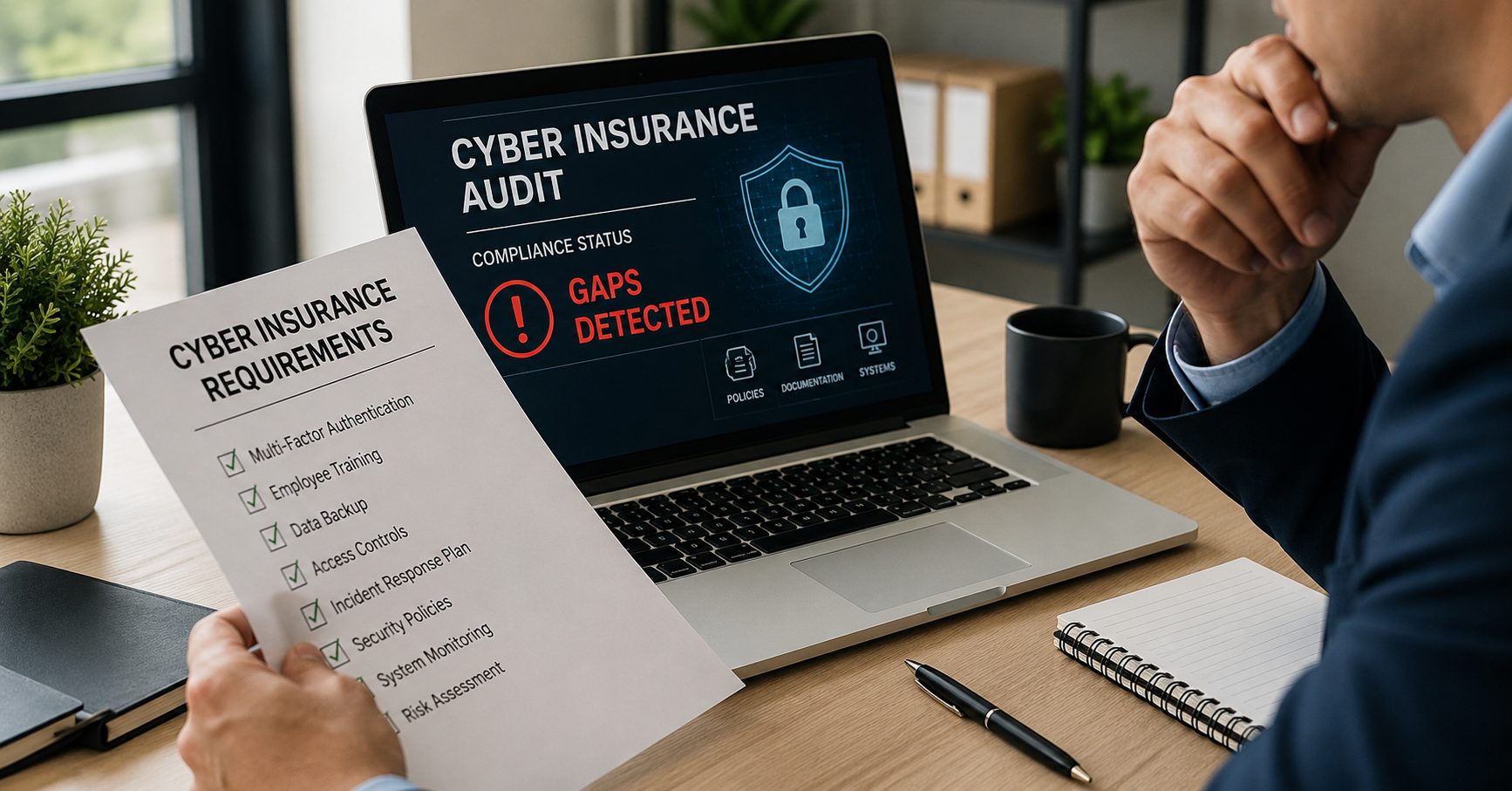
Cyber risks don’t stay the same—they evolve as technology and threats change. This is why ongoing security assessments are critical. A regular review of your systems, user accounts, and policies can reveal vulnerabilities that have crept in over time.
A security assessment should cover:
- Weak or reused passwords
- Unpatched software or outdated systems
- Insecure Wi-Fi networks
- Unnecessary user access to sensitive data
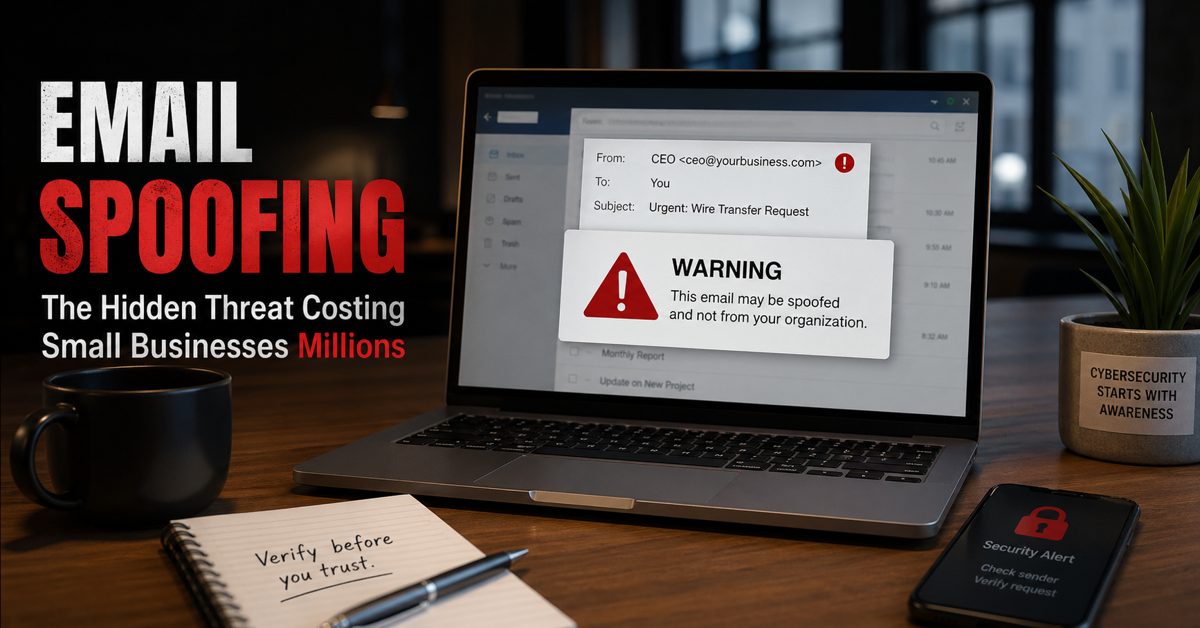
One client, a small law firm, avoided a potential breach when a routine audit revealed their email system wasn’t enforcing DMARC. That small gap could have allowed attackers to spoof their domain and send fraudulent emails to clients.
Step 3: Stay Informed About Current Cyber Threats
Hackers are constantly finding new ways to break into systems, so staying updated on current cyber threats is essential. Whether it’s phishing campaigns, ransomware attacks, or zero-day vulnerabilities, awareness helps you take preventive measures.
Small business leaders can:
- Subscribe to cybersecurity newsletters
- Join industry-specific security forums
- Partner with an MSP like Gallop Technology Group for threat intelligence updates
For example, during the rise of ransomware-as-a-service, companies that knew about the trend were able to strengthen backups, educate employees, and avoid falling victim to encrypted data demands.
Step 4: Train Your Team to Recognize Cyber Risks
Human error is one of the leading causes of cybersecurity breaches. Even the best technology won’t protect your business if your team can’t spot a suspicious email or avoid clicking a malicious link.
Training should include:
- How to recognize phishing attempts
- What to do if a suspicious email or file is received
- How to create and manage strong passwords
- The importance of reporting anything unusual immediately
One of the most effective ways to reinforce training is through simulated phishing tests. These controlled tests allow you to measure how employees respond and identify who might need more guidance.
Step 5: Have a Clear Incident Response Plan
Even with strong prevention, cyber risks can’t be eliminated entirely. That’s why having an incident response plan is vital—it ensures you know exactly what to do when a breach or suspicious activity occurs.
Your plan should cover:
- Who to notify first (IT team, management, legal)
- How to contain the issue (disconnect devices, change passwords)
- How to communicate with clients or stakeholders
- Steps to recover data and restore operations
A well-prepared response can mean the difference between hours of downtime and weeks of disruption.
The Bottom Line: Be Proactive, Not Reactive
Spotting cyber risks early is about vigilance and preparation. By monitoring unusual activity, conducting regular assessments, staying informed on threats, training your team, and having a clear incident response plan, you can greatly reduce the likelihood of a costly cybersecurity breach.
Gallop Technology Group is committed to helping small businesses stay ahead of attackers. Our Free Domain Security Check Up includes dark web monitoring, DMARC compliance audits, and website security reviews so you can close gaps before they’re exploited.
Don’t wait for an incident to discover your vulnerabilities. Contact our team today at 480-614-4227 to schedule your free check-up and secure your business.
Sources:
https://www.csoonline.com/article/2071383/risky-business-a-step-by-step-guide-to-assessing-cyber-risk-for-the-enterprise.html
https://www.ftc.gov/business-guidance/small-businesses/cybersecurity