Building a Security-Minded Culture Through Employee Training
Cybersecurity is no longer a problem confined to the IT department — it’s a company-wide responsibility. From the front desk to the boardroom, every employee plays a role in protecting sensitive data and maintaining business continuity. That’s where cybersecurity awareness training for employees becomes essential.
At Gallop Technology Group, we believe strong cybersecurity starts with people. Technology provides the tools, but your team provides the defense. By empowering employees with the knowledge and confidence to identify and respond to threats, small and medium-sized businesses can dramatically reduce risk exposure and strengthen trust with clients and partners.
This article explores effective methods for delivering cybersecurity education, developing engaging training programs, and creating a workplace culture centered on cybersecurity best practices for small businesses.
Why Cybersecurity Awareness Training for Employees Matters
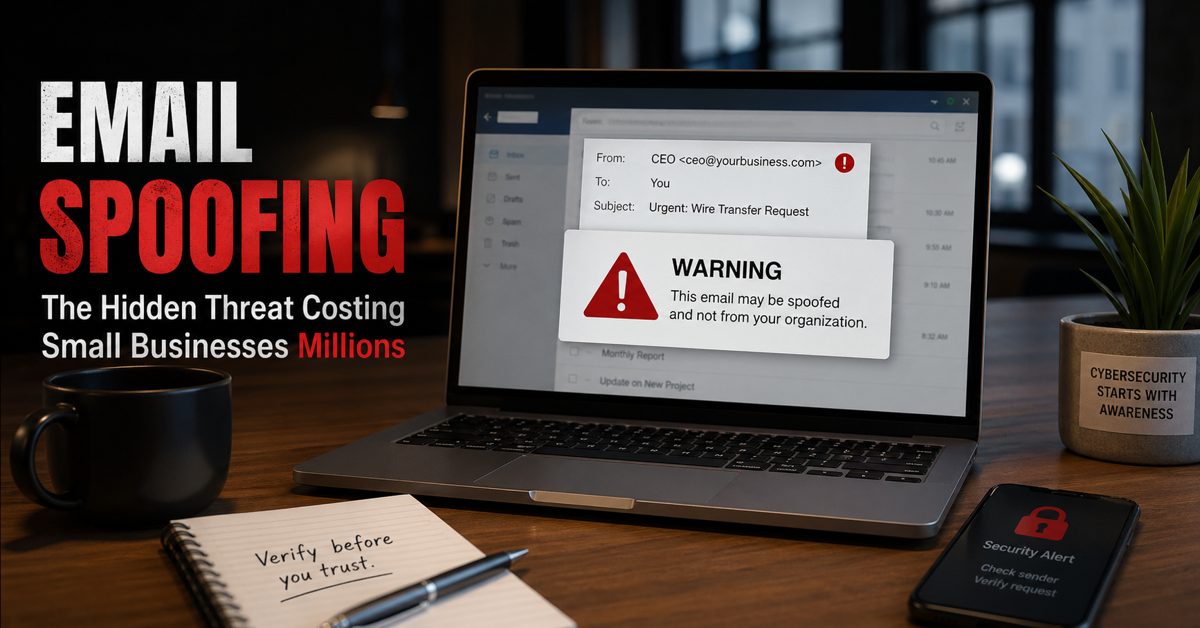
Cybercriminals target people more often than systems. Phishing emails, malicious links, and social engineering attacks exploit human error — not firewalls. Even the most advanced technology can’t protect a business if employees aren’t trained to recognize these threats.
Cybersecurity awareness training for employees teaches staff how to spot suspicious activity, safeguard login credentials, and follow secure procedures for handling data. It also builds accountability, ensuring that security becomes second nature rather than an afterthought.
For small businesses, where a single breach could cause devastating financial and reputational damage, this type of proactive training is a powerful defense. A well-educated workforce is your first and most cost-effective layer of protection.
Conduct Regular Cybersecurity Training Sessions
The threat landscape evolves rapidly. New malware, phishing campaigns, and ransomware tactics appear almost daily. Regular training ensures employees stay aware of emerging risks and refresh their security habits.
Gallop Technology Group encourages businesses to establish a consistent schedule — whether it’s monthly workshops, quarterly refreshers, or micro-learning sessions delivered online. Regular exposure keeps cybersecurity top of mind and reinforces good behavior.
To make training more effective, combine theoretical lessons with hands-on exercises. Simulate real-life situations such as phishing emails or suspicious USB drives to test employee responses in a controlled environment. After each session, review performance and provide constructive feedback.
Continuous learning also supports compliance with frameworks such as the NIST Cybersecurity Framework and CIS Controls, both of which recommend recurring employee awareness training as a foundational control.
Use Engaging and Interactive Learning Methods
Cybersecurity doesn’t have to be dull. In fact, training programs are more successful when they’re engaging, interactive, and relatable. Traditional lectures and slides rarely hold attention. Instead, use a mix of techniques that bring concepts to life.
Here are a few examples Gallop Technology Group integrates into its cybersecurity training programs:
- Gamified learning: Turn lessons into challenges or competitions. Award points or certificates for recognizing phishing emails or completing modules quickly.
- Scenario-based simulations: Recreate real attacks like business email compromise or ransomware incidents, showing employees how these events unfold.
- Micro-lessons and quizzes: Break down long sessions into short, digestible segments to reinforce learning.
- Video storytelling: Use dramatized examples of breaches to demonstrate how a single mistake can have serious consequences.
When employees find the material enjoyable, retention rates soar — and that knowledge becomes actionable. An interactive approach turns security from an obligation into a shared team mission.
Provide Real-Life Examples and Case Studies
Abstract advice can feel distant. But when training includes real incidents, the risk becomes tangible. Share stories of well-known breaches and analyze what went wrong.
For instance, the Target data breach occurred because of compromised vendor credentials — a lesson in why access management matters. The WannaCry ransomware attack demonstrated the consequences of ignoring software updates. By connecting these examples to employee behavior, businesses can highlight how small actions prevent large-scale damage.
In cybersecurity education, relevance drives engagement. Encourage employees to discuss situations they’ve personally encountered — like suspicious emails or password requests. These stories create peer learning moments that reinforce security awareness at every level.
Tailor Training to Your Industry and Job Roles
Every industry faces unique threats. A real estate firm may encounter wire fraud attempts, while a law firm risks exposure of confidential client data. Tailoring cybersecurity training to reflect industry-specific scenarios makes it more meaningful and effective.
Gallop Technology Group customizes training modules for industries including:
- Legal: Focus on confidentiality, document protection, and secure communication with clients.
- Accounting and Finance: Emphasize data integrity, phishing awareness, and multi-factor authentication for financial systems.
- Construction and Design: Address risks related to shared project files, cloud storage, and vendor communication.
- Nonprofits and Advocacy Organizations: Highlight donor data protection, volunteer access controls, and secure collaboration tools.
Each role within an organization also has different exposure points. Executives need to recognize spear-phishing tactics, while administrative staff benefit from email and password hygiene training. A targeted approach ensures no one slips through the cracks.
Make Cybersecurity Resources Accessible
Training shouldn’t stop once a session ends. Employees should always have access to refresher materials, checklists, and policies that reinforce what they’ve learned.
Create a centralized digital hub — such as a secure SharePoint or intranet — where employees can easily find:
- Short videos and recorded sessions
- Step-by-step cybersecurity best practice guides
- Company policies and acceptable use standards
- Updates on new scams or threat alerts
At Gallop Technology Group, we recommend integrating cybersecurity best practices for small businesses directly into onboarding, team meetings, and internal communications. Short, frequent reminders like “Think Before You Click” or “Lock It Before You Leave” go a long way in reinforcing daily habits.
Encourage Feedback and Continuous Improvement
Training programs should evolve alongside new threats and organizational changes. Encourage employees to provide feedback after each session to identify gaps or confusing areas. Anonymous surveys or open discussions can surface valuable insights about what’s working — and what isn’t.
Gallop Technology Group often implements feedback mechanisms such as post-training surveys, quick pulse checks, and performance analytics to measure the impact of cybersecurity education efforts.
Regularly review metrics like:
- Click rates during phishing simulations
- Employee participation in refresher courses
- Policy compliance levels
- Incident report frequency
Analyzing these indicators helps fine-tune the program over time, ensuring that your cybersecurity awareness training remains effective and relevant.

Integrating Cybersecurity Education Into Company Culture
The ultimate goal is not just to educate but to embed cybersecurity into your organization’s culture. Security should be as routine as checking emails or attending meetings.
Here’s how to foster a security-first mindset:
- Leadership endorsement: Executives and managers should champion training participation. When leaders model good security behavior, employees follow suit.
- Positive reinforcement: Recognize employees who demonstrate exceptional vigilance or report potential threats.
- Transparency: Communicate openly about cybersecurity policies, upcoming updates, and reasons behind them.
- Accountability: Ensure everyone understands their role in protecting company data.
When cybersecurity becomes a shared value, employees are more likely to take proactive action, reducing the overall risk to the business.
Partnering with Experts to Strengthen Your Defense
Many small businesses lack the resources or time to develop comprehensive training programs in-house. Partnering with a managed service provider (MSP) like Gallop Technology Group bridges that gap.
Gallop’s cybersecurity training services combine technical expertise with real-world teaching methods. We help organizations:
- Assess employee awareness levels through baseline testing
- Develop tailored training programs aligned with industry regulations
- Simulate phishing and ransomware attacks safely
- Implement policies that align with recognized cybersecurity best practices for small businesses
- Track progress with measurable outcomes and compliance reporting
Our holistic approach integrates technology, process, and education — empowering your employees to become active defenders of your network and data.
Build a Safer Workplace with Gallop Technology Group
Creating a secure workplace begins with informed employees. By investing in cybersecurity awareness training for employees, your business builds a resilient culture that prioritizes safety, accountability, and trust. Regular, engaging, and industry-specific training ensures that every team member understands how their actions impact the organization’s security posture.
Gallop Technology Group partners with small and medium-sized businesses to deliver expert-led cybersecurity education and defense strategies. From phishing simulations to policy development and ongoing support, we help your team stay ahead of evolving threats.
If you’re ready to strengthen your organization’s defenses and foster a proactive security culture, reach out to Gallop Technology Group today. Contact our team at 480-614-4227 for a free IT assessment. Empower your team. Protect your business. Build a safer workplace with Gallop.
Sources:
- National Institute of Standards and Technology (NIST) – Cybersecurity Framework
- Verizon 2024 Data Breach Investigations Report