Building a Culture of Cyber Resilience in Every Small Business
Small businesses are no longer invisible targets for cybercriminals. With the growing use of cloud tools, remote work, and digital transactions, attackers increasingly see smaller organizations as easy entry points. That’s why cybersecurity awareness training has become one of the most powerful defenses a small business can invest in.
At its core, cybersecurity awareness training isn’t just about teaching employees to avoid suspicious emails. It’s about creating a culture where every member of the organization—from the owner to the newest team member—understands their role in protecting business data, client trust, and long-term success.
Gallop Technology Group helps small businesses across Arizona strengthen their cybersecurity posture through structured cybersecurity training programs, ongoing cybersecurity education, and expert guidance tailored to their specific industry.
Understanding the Cyber Threats Small Businesses Face
Why Small Businesses Are Prime Targets
Nearly half of all cyberattacks now target small and medium-sized businesses. Many owners assume attackers only go after large corporations, but the reality is quite the opposite. Smaller organizations often lack dedicated IT departments or advanced protection systems, making them easier to exploit.
Common attacks include:
- Phishing scams designed to trick employees into revealing passwords or financial details.
- Ransomware that locks files and demands payment to restore access.
- Malware that silently steals customer data.
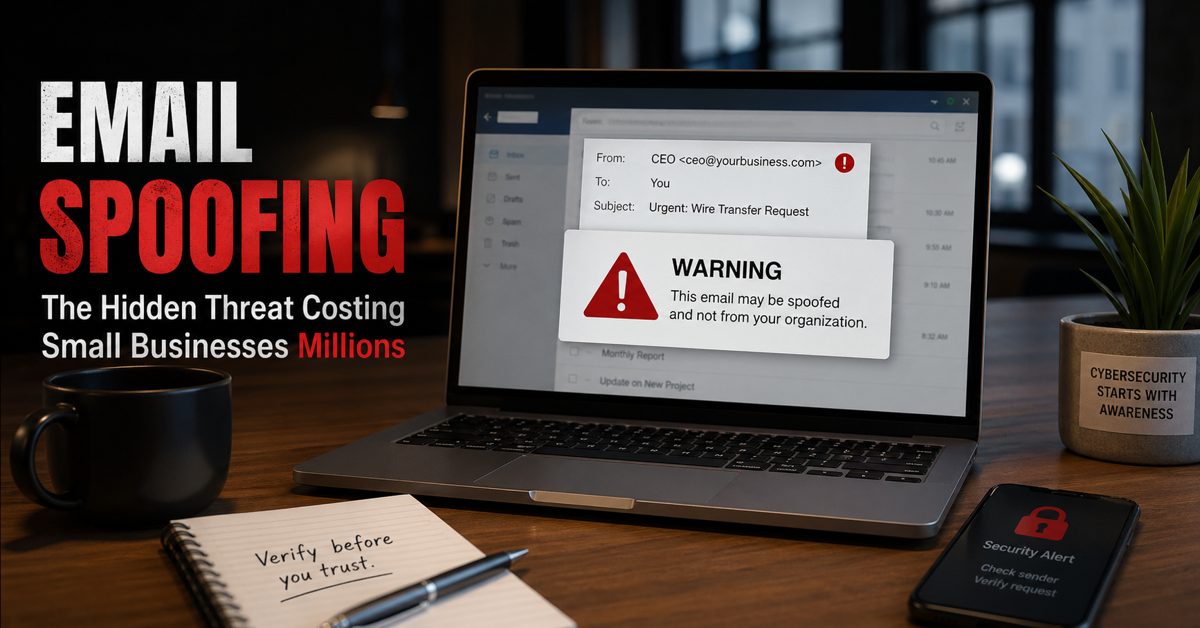
- Business email compromise (BEC) where attackers impersonate executives to request fraudulent transfers.
Without cybersecurity training, these threats can easily slip through. A single careless click or weak password can cause days of downtime, financial losses, and reputational harm that may take years to repair.
The Cost of Neglecting Training
Cyber incidents don’t just disrupt daily operations—they can permanently cripple small businesses. According to industry research, over 60% of small businesses close within six months of a major data breach. Even minor security lapses, like leaked credentials or stolen credit card information, can erode client confidence and attract legal or regulatory penalties.
For these reasons, cybersecurity awareness training isn’t a luxury; it’s an operational necessity.
The Role of Small Business Owners in Cybersecurity
Setting the Tone for Security
Owners and leaders shape the company culture. When business owners take cybersecurity seriously, employees follow suit. Establishing clear priorities and communicating that cybersecurity is everyone’s responsibility builds awareness from the top down.
Key actions include:
- Establish a security-first mindset. Talk about cybersecurity during team meetings and integrate it into onboarding.
- Lead by example. Use strong passwords, enable multi-factor authentication, and demonstrate secure data handling practices.
- Reward safe behavior. Recognize employees who report phishing attempts or identify vulnerabilities.
Implementing Policies and Protocols
Formal cybersecurity policies help standardize how the business handles sensitive data, software updates, and access privileges. These should cover topics such as:
- Password complexity and rotation.
- Safe use of personal and business devices.
- Incident response procedures.
- Guidelines for data storage, sharing, and disposal.
Gallop Technology Group assists small business leaders in developing customized policies aligned with best practices from CIS (Center for Internet Security) and other recognized frameworks—making cybersecurity not just an IT task, but a company-wide standard.
Benefits of Cybersecurity Awareness Training
Enhanced Awareness and Vigilance
Cybersecurity awareness training gives employees the ability to identify threats before they escalate. When staff understand what a phishing email looks like or recognize the signs of a ransomware attack, they become the first line of defense rather than a liability.
Risk Reduction and Stronger Defenses
Training helps owners and employees pinpoint weak spots in their processes or systems. Regular refreshers ensure the entire team knows how to respond quickly when something feels suspicious. Over time, this proactive approach reduces the risk of data breaches and unplanned downtime.
Compliance with Regulations
Many industries—such as healthcare, finance, and legal—must comply with strict cybersecurity standards. Cybersecurity training programs help small businesses stay aligned with these regulations, reducing the risk of fines or legal exposure.
Empowered and Engaged Employees
When employees understand how their actions affect the company’s security, they take ownership. They become more confident in using digital tools safely and more likely to report potential issues immediately.
Business Continuity and Client Trust
Proper cybersecurity training ensures that even in the event of an attack, the team knows how to act. Quick, informed responses can minimize downtime, preserve operations, and maintain client trust—key ingredients for long-term success.
Key Components of an Effective Cybersecurity Training Program
Tailored Training Content
Generic lessons don’t work. Each small business has unique risks depending on its size, technology stack, and industry. For example, a law firm handles confidential client files, while a construction company might rely heavily on shared project data. A successful program adapts content to those specific vulnerabilities.
Gallop Technology Group develops customized cybersecurity training programs that address industry-specific threats, whether for law firms, healthcare providers, or local retailers.
Interactive and Practical Learning
People learn best through experience. Simulated phishing attacks, real-world case studies, and short quizzes can reinforce learning far better than long lectures. Practical exercises make employees more alert and confident in spotting red flags in their daily work.
Regular Updates and Refreshers
Cyber threats evolve constantly. Training from two years ago is already outdated. Continuous cybersecurity education keeps staff current on the latest scams, data protection techniques, and software updates. Ideally, short refresher courses should be held every quarter or after any major cyber incident.
Assessment and Feedback
To measure effectiveness, businesses should conduct assessments or mock attacks after each training module. Feedback sessions identify which concepts employees struggle with, allowing for targeted improvements in the next cycle.
Ongoing Education as a Company Habit
Cybersecurity isn’t a “one-and-done” event—it’s an ongoing process. Treating cybersecurity education as a continuous initiative helps maintain readiness and accountability. Encourage open discussions about new threats and lessons learned from incidents across industries.
Overcoming Common Challenges in Cybersecurity Training
Limited Budgets
Small businesses often work within tight budgets, but training doesn’t have to be expensive. Many government agencies and private organizations offer free or affordable cybersecurity education resources. Gallop Technology Group also provides scalable programs designed to fit a small business’s size and budget.
Time Constraints
With owners wearing multiple hats, it’s easy to postpone training. However, short, bite-sized sessions or self-paced online courses make it easier to integrate learning without disrupting daily operations.
Lack of Expertise
Not every small business has in-house IT experts. Partnering with external professionals—like Gallop Technology Group—ensures training content is accurate, relevant, and easy to understand. External trainers can simulate real scenarios, guide post-incident responses, and help reinforce long-term behavioral change.
Creating a Security-Minded Workplace Culture
From Compliance to Commitment
Cybersecurity shouldn’t feel like an obligation—it should feel like empowerment. When employees are informed and confident, they become motivated participants in protecting company assets.
Owners can cultivate this culture by:
- Including cybersecurity as a recurring topic in team meetings.
- Posting reminders about safe data practices in shared workspaces.
- Sharing success stories when employees prevent a phishing attack or identify risks.
Incorporating Cybersecurity into Onboarding
Every new hire should receive cybersecurity training within their first week. Early education reinforces expectations and ensures consistency across the team. New employees learn how to handle sensitive data, use secure networks, and report unusual behavior before habits form.
The Future of Cybersecurity Education for Small Businesses
As artificial intelligence and automation advance, cyber threats are becoming more sophisticated. Attackers now use AI to craft more convincing phishing emails or exploit system vulnerabilities faster than humans can patch them.
For small businesses, this reality underscores the need for adaptive cybersecurity training programs. Future-ready training includes:
- Real-time simulations using emerging threat patterns.
- Training modules integrated into daily business tools.
- Continuous assessments powered by AI that monitor and adjust content based on employee behavior.
Businesses that invest early in these next-generation training methods will gain a decisive advantage—not only in security but also in operational resilience and customer trust.
Partnering with Experts for Long-Term Protection
Small business owners don’t have to face cybersecurity challenges alone. Partnering with trusted experts ensures training stays relevant, effective, and measurable.
Gallop Technology Group helps organizations establish strong cybersecurity foundations through:
- Comprehensive cybersecurity awareness training for employees and management.
- Custom cybersecurity training programs tailored to your industry’s specific risks.
- Regular vulnerability assessments and data protection planning.
- Ongoing cybersecurity education and support to maintain compliance and readiness.
When small businesses work with cybersecurity professionals, they gain not just protection—but peace of mind.
Don’t Wait for a Breach—Start Training Today
Cybercrime continues to evolve, but so can your defenses. Cybersecurity awareness training transforms small businesses from vulnerable targets into informed, resilient organizations. It equips every employee to recognize threats, respond quickly, and keep business operations secure and reliable.
Gallop Technology Group empowers small businesses nationwide through comprehensive cybersecurity training, policy development, and managed IT security solutions. Whether you need to educate your team, assess your vulnerabilities, or implement long-term protection measures, our experts are ready to help.
Contact our team today at 480-614-4227 to schedule a consultation and explore how our cybersecurity services can strengthen your business’s digital resilience.
Sources:
- Verizon 2024 Data Breach Investigations Report – https://www.verizon.com/business/resources/reports/dbir/
- National Cybersecurity Alliance – https://staysafeonline.org