Why IT Cybersecurity Training Matters More Than Ever for Business Growth
Medium-sized businesses are often caught between the agility of small startups and the resource power of large enterprises. They face constant pressure to innovate, grow, and maintain customer trust—all while managing increasing cybersecurity threats. This is why IT cybersecurity training has become one of the most important investments business owners can make.
At Gallop Technology Group, we help medium-sized businesses strengthen their defenses through comprehensive cybersecurity solutions and IT strategy consulting. For business owners who want to protect their assets and reputation, cybersecurity education is no longer optional—it’s a leadership responsibility.
The Modern Threat Landscape for Medium-Sized Businesses
Medium-sized companies are a prime target for cybercriminals. They hold valuable data such as financial records, client information, and intellectual property—but often lack the dedicated security resources of large corporations. Attackers know this, and they exploit the gap.
According to global cybersecurity reports, nearly 60% of small and medium enterprises (SMEs) experience at least one cyberattack each year. Ransomware, phishing, and data breaches are among the most common. The financial damage can easily reach hundreds of thousands of dollars, but the loss of reputation and client trust often hits harder.
The solution isn’t just buying more technology. It’s empowering employees and leadership through IT cybersecurity training programs that reduce human error, build awareness, and create a security-first culture throughout the organization.
The Role of Business Owners in Building a Secure Culture
Cybersecurity is not an IT-only concern—it’s a business leadership issue. Medium business owners play a critical role in defining how seriously security is taken within their organizations.
Setting the Tone at the Top
A company’s approach to cybersecurity starts with its leaders. When owners make it clear that protecting company data is a top priority, employees follow suit. A strong example from leadership helps build an organizational culture where everyone—from interns to executives—understands their role in safeguarding sensitive information.
Allocating the Right Resources
Investing in the right tools and training is a fundamental step. Firewalls, antivirus software, encryption tools, and endpoint protection are important—but they’re only effective when employees know how to use them safely. That’s where cybersecurity awareness training becomes essential. Business owners must allocate both time and budget for continuous training initiatives, ensuring that everyone in the company is up to date on current threats and best practices.
Developing Policies and Procedures
Without clear cybersecurity policies, even the best technology and training will fall short. Business owners should work with their IT partners to establish detailed procedures that govern password management, data handling, access control, and incident response. These guidelines not only protect the organization but also demonstrate compliance with data privacy regulations.
Cybersecurity Training: The Foundation of Protection
Effective IT cybersecurity training programs go beyond a single seminar or PowerPoint presentation. They are continuous, practical, and adapted to evolving threats. The goal is to empower employees to become the first line of defense—rather than the weakest link.
Phishing Awareness
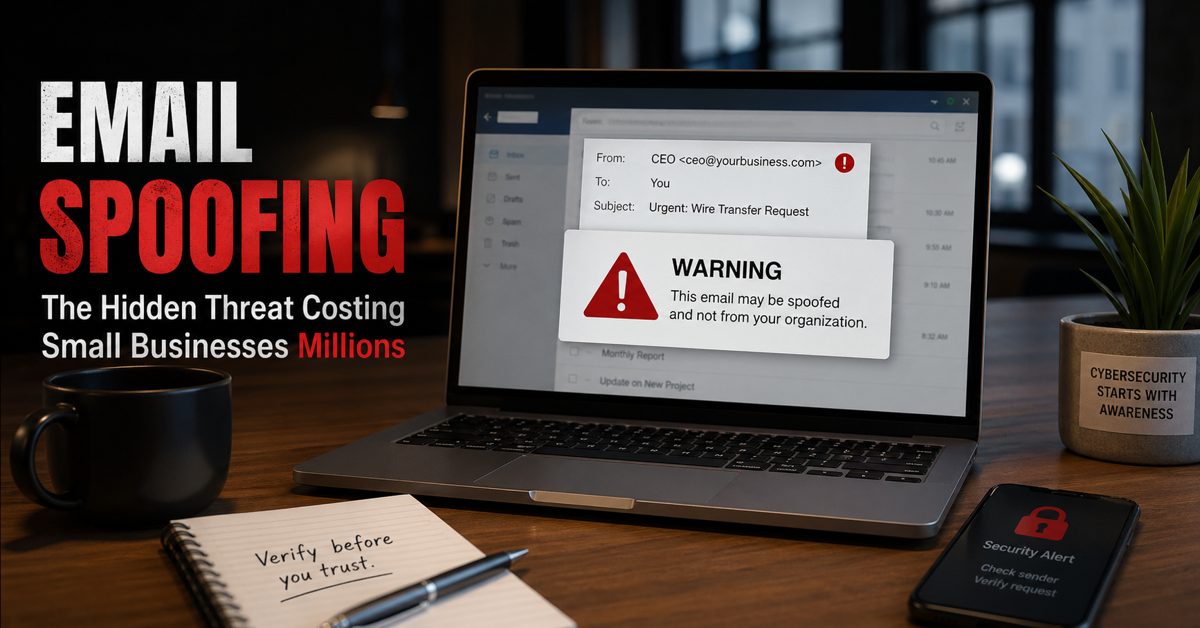
Phishing emails remain one of the most successful tactics used by cybercriminals. These messages are designed to trick employees into revealing sensitive information or clicking malicious links. Through cybersecurity awareness training, employees learn how to identify warning signs—such as suspicious URLs, unexpected attachments, or urgent tone—and report potential threats before they cause damage.
Password Management
Weak or reused passwords are a common security vulnerability. Training programs must teach employees how to create strong, unique passwords and encourage the use of password managers to store credentials securely. This simple step can prevent unauthorized access to business systems and confidential data.
Safe Browsing and Communication Practices
Employees interact with countless online resources daily. Without guidance, they may inadvertently download unsafe software or access insecure sites. IT cybersecurity training teaches safe browsing habits, proper file handling, and the importance of verifying website legitimacy before entering credentials or making transactions.
Incident Reporting
Even with the best defenses, incidents can happen. Quick detection and reporting can minimize damage. Training should include clear instructions on how to report suspicious activity—whether it’s an unusual email, system slowdown, or data anomaly. The faster a potential threat is identified, the easier it is to contain.
The Power of Cybersecurity Education for Employee Empowerment
One of the most overlooked benefits of cybersecurity education is how it empowers staff to take responsibility for data protection. When employees understand why security matters—not just how—it changes their behavior. They become more cautious with data sharing, more skeptical of unexpected requests, and more confident in their ability to handle digital tools safely.
Cybersecurity education also fosters accountability. Employees realize that protecting the business is part of their job description. This shared sense of responsibility builds a more resilient organization—one where every individual contributes to defense, not just the IT department.
Technology as a Training Ally
Technology can amplify the impact of IT cybersecurity training. Business owners can use online learning platforms, interactive simulations, and phishing test campaigns to engage employees. These tools make learning more practical and measurable.
For instance, simulated phishing tests help identify employees who need additional guidance, while gamified training modules keep staff motivated. When paired with refresher courses and updated content, these initiatives ensure that cybersecurity awareness remains consistent across departments.
Modern IT cybersecurity training programs can also be tailored to specific roles. For example:
- Finance teams learn to detect invoice fraud or payment scams.
- HR teams understand how to handle confidential personnel data safely.
- Legal teams focus on compliance and client confidentiality.
- Executives receive specialized sessions on risk management and decision-making.

Building a Cyber-Resilient Organization
Cybersecurity training is not a one-time investment—it’s a continuous commitment. Threats evolve, and so should your defenses. Medium business owners must make cybersecurity part of their long-term strategy, not just an IT project.
To stay resilient:
- Conduct regular risk assessments. Identify weak spots before attackers do.
- Update security policies regularly. Keep procedures aligned with current regulations.
- Review access controls. Ensure that only authorized users can reach critical systems.
- Test your incident response plan. Simulate attack scenarios to measure readiness.
The goal is to build a cyber-resilient organization—one that can detect, respond to, and recover from incidents with minimal disruption. With continuous cybersecurity awareness training and leadership commitment, medium-sized businesses can thrive even in a threat-heavy digital environment.
Cybersecurity Training as a Business Advantage
Beyond risk reduction, cybersecurity training offers competitive advantages. Businesses that prioritize data protection earn greater trust from clients, partners, and regulators. Demonstrating that your staff undergoes regular cybersecurity education enhances your reputation and compliance standing.
Moreover, well-trained employees reduce downtime and operational costs related to breaches. Preventing a single incident can save tens of thousands of dollars in remediation and legal expenses. This makes cybersecurity training one of the highest-ROI initiatives a company can adopt.
For medium business owners, investing in cybersecurity training programs is not merely a defensive measure—it’s a strategic decision that supports growth, stability, and customer confidence.
Gallop Technology Group: Your Partner in Cybersecurity Success
At Gallop Technology Group, we specialize in helping medium-sized businesses strengthen their cybersecurity posture through comprehensive protection and employee-focused defense strategies. Our approach centers on building awareness, reducing risk, and fostering a culture of security from the inside out. Through customized cybersecurity awareness training and policy development, we ensure your entire team understands how to recognize and respond to potential threats. By combining expert guidance with practical cybersecurity education, Gallop empowers organizations to safeguard sensitive data, maintain compliance, and operate confidently in an increasingly connected business environment.
Cyber threats are not slowing down—but your business can stay ahead with the right preparation. Cybersecurity training equips your team with the knowledge and confidence to defend against evolving risks, turning potential vulnerabilities into strengths.
Don’t wait for an attack to reveal the gaps in your defenses. Start building a stronger, smarter, and more secure organization today. Partner with Gallop Technology Group for a cybersecurity plan that fits your team and industry. Call us at 480-614-4227 to schedule your consultation.
Sources: